
By an industry veteran with 30 years in tech.
When most people hear "Internet of Things," their minds immediately jump to a very specific image: asking a smart speaker to turn on the living room lights or checking a video doorbell from an office desk.
While smart homes are the most visible face of IoT, they are just the tip of a massive, trillion-dollar iceberg.
Over my 30 years in technology journalism, I’ve watched industries completely transform overnight because of invisible data streams. The true power of IoT isn't in convenience; it's in revolutionizing how we manufacture goods, grow food, heal the sick, and manage our cities.
Let’s look at the most common, world-changing applications of IoT today.
1. Healthcare: The Internet of Medical Things (IoMT)
The stethoscope is being replaced by the sensor. IoT is transforming healthcare from a reactive system (going to the doctor when you are sick) to a proactive one (preventing sickness before it happens).
- Remote Patient Monitoring: Patients with chronic conditions use connected wearable devices that stream heart rate, blood pressure, and glucose levels directly to their doctors in real-time. If vitals drop, an alert is triggered instantly.
- Smart Hospitals: Connected hospital beds track whether a patient is occupying them and monitor their movements, alerting nurses if a fall-risk patient tries to stand up unassisted.
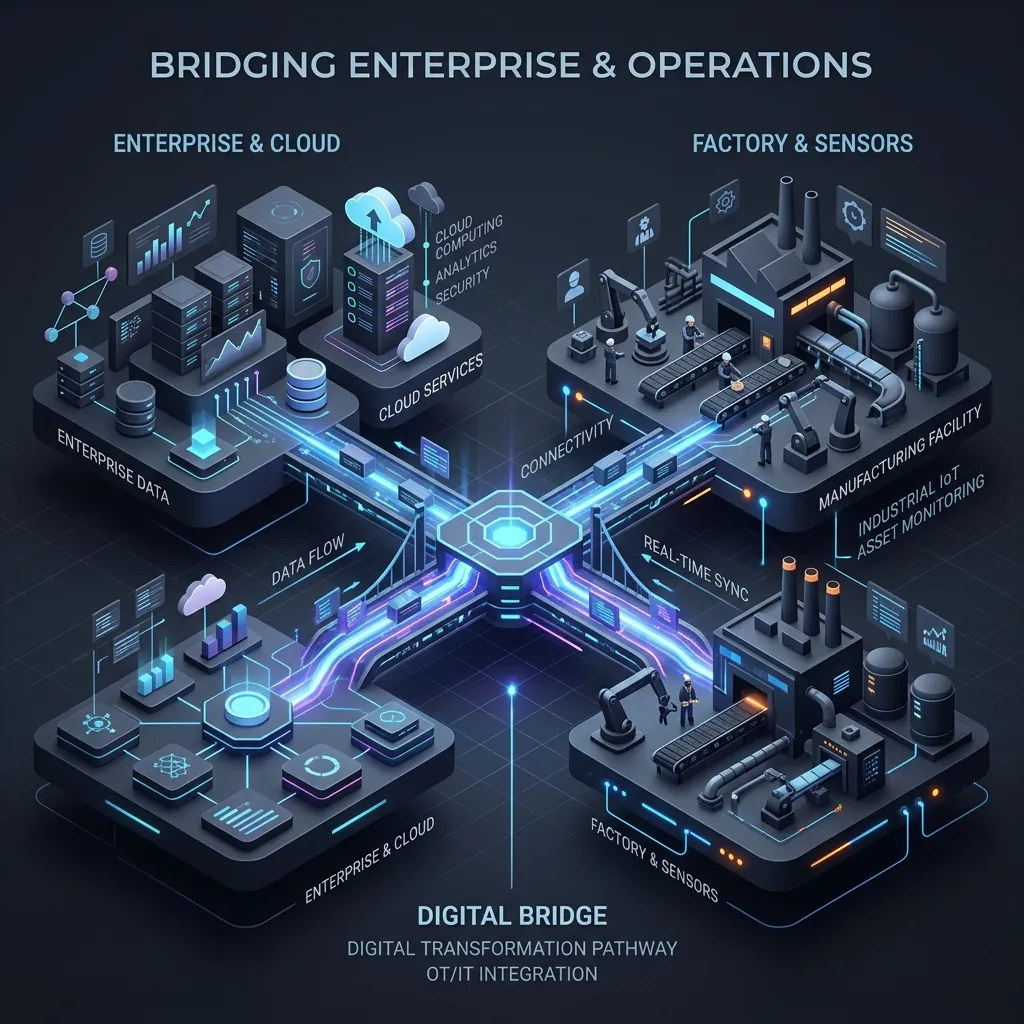
2. Manufacturing: Industrial IoT (IIoT)
Factories are getting a brain. The industrial sector is arguably the biggest adopter of IoT, driving what experts call the "Fourth Industrial Revolution."
- Predictive Maintenance: In the past, factories ran machines until they broke, resulting in massive downtime and lost revenue. Today, acoustic and vibration sensors are attached to machinery. AI analyzes this data to predict a breakdown weeks before it happens, allowing for maintenance during scheduled off-hours.
- Supply Chain Visibility: GPS and environmental sensors track shipments globally. A pharmaceutical company can track a shipment of vaccines across the ocean, ensuring the refrigerated container never drops below the required temperature.
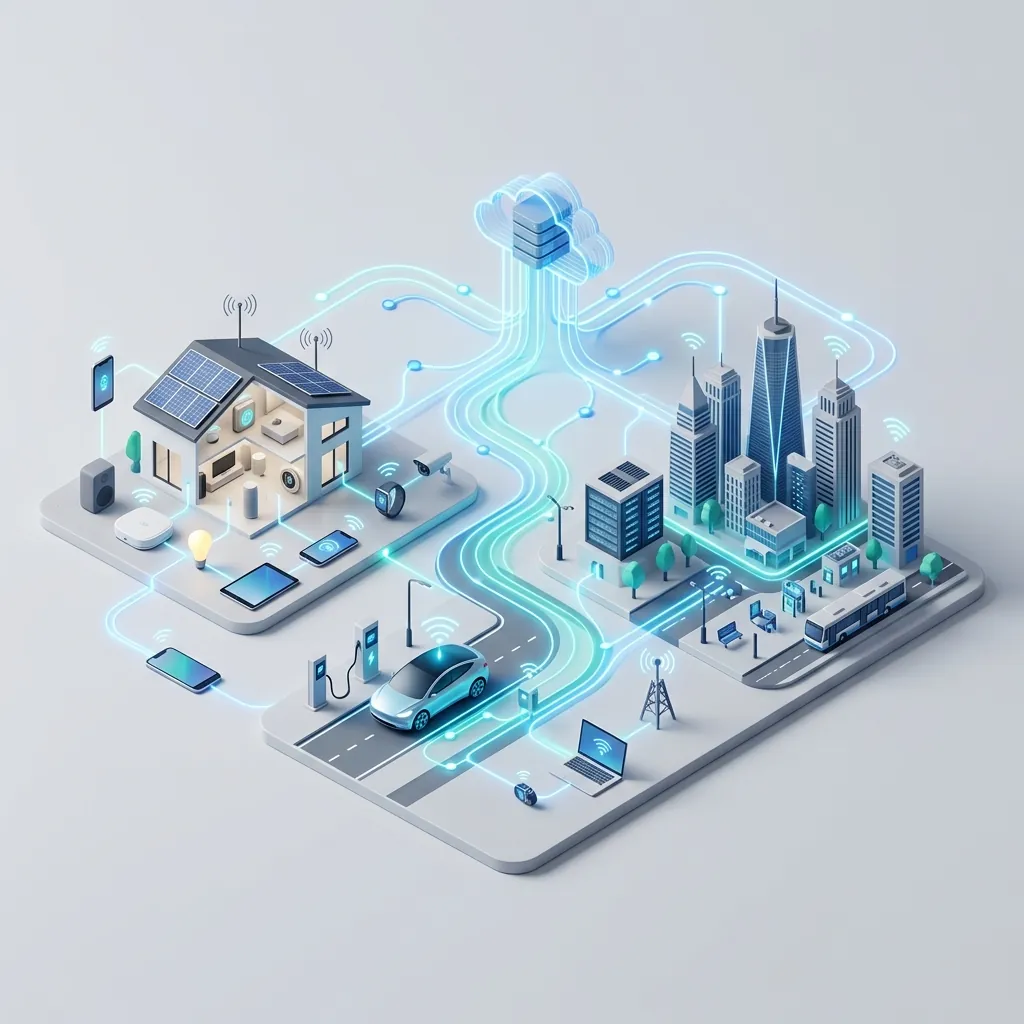
3. Smart Cities: The Urban Upgrade
As urban populations explode, cities are using IoT to manage resources and improve the quality of life for millions of residents.
- Intelligent Traffic Management: Connected traffic cameras and sensors monitor vehicle flow in real-time, automatically adjusting traffic light timings to reduce congestion and clear paths for emergency vehicles.
- Smart Waste Management: Trash cans equipped with sensors notify waste management companies exactly when they are full, allowing garbage trucks to take dynamic, optimized routes rather than driving to empty bins.
- Connected Lighting: Streetlights equipped with sensors dim when no one is around and brighten when a pedestrian or car approaches, saving municipalities millions in electricity costs.
4. Smart Agriculture: Precision Farming
Farming is no longer just about the plow; it's about the data. With the global population rising, farmers must do more with less.
- Soil and Crop Monitoring: Sensors placed deep in the soil measure moisture, temperature, and nutrient levels. This data dictates exactly how much water and fertilizer a specific patch of land needs, maximizing crop yield while minimizing water waste.
- Drone Surveillance: Autonomous drones fly over hundreds of acres, using infrared cameras to spot crop diseases or pest infestations before they become visible to the naked human eye.
5. Smart Homes and Consumer IoT
Of course, we can't ignore the consumer market. It remains the fastest-growing segment, bringing IoT directly into our daily lives.
From smart thermostats that learn your schedule to save on heating bills, to wearable fitness trackers that gamify our health, consumer IoT is focused on hyper-personalization and ultimate convenience.
The Silent Revolution
The common thread through all these applications is efficiency. IoT acts as a magnifying glass, revealing inefficiencies we never knew existed and providing the data-driven tools to fix them. The revolution is happening all around us, mostly out of sight, quietly ensuring the modern world runs just a little bit smoother every single day.