
By an industry veteran with 30 years in tech.
For decades, "industrial monitoring" meant a technician walking the factory floor with a clipboard, checking pressure gauges by eye, listening to motors for strange rattling sounds, and writing numbers down on paper. If a machine failed between these manual checks, production halted, and money was lost.
The Industrial Internet of Things (IIoT) has rendered the clipboard obsolete. By blanketing heavy industrial environments with cheap, connected sensors, we can now monitor the health of an entire factory in real-time, from anywhere in the world.
This guide breaks down the core architecture of an industrial IoT monitoring system and how to deploy it effectively.
The 4 Pillars of an IIoT Monitoring System
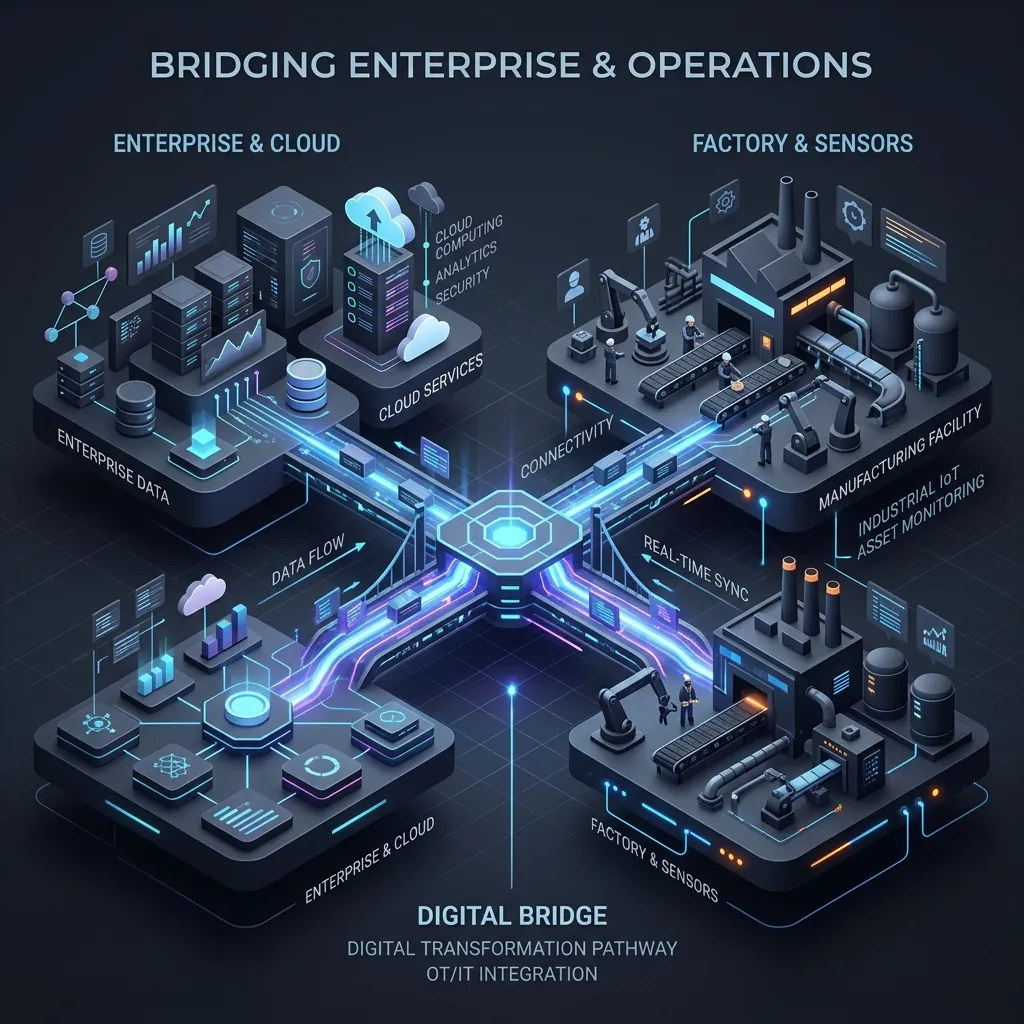
An effective industrial monitoring system isn't just a handful of smart devices; it is a highly orchestrated architecture relying on four foundational pillars.
1. The Edge: Sensors and Actuators
The foundation of the system is the hardware that physically interacts with the industrial environment.
- Sensors collect the data. They monitor variables critical to machine health, such as vibration (the earliest indicator of mechanical failure), temperature, acoustic signatures, pressure, and fluid flow rates.
- Actuators perform physical actions based on commands from the system, such as automatically shutting a valve if the pressure sensor detects a dangerous spike.
2. The Network: Industrial Connectivity
Factory environments are notoriously hostile to wireless signals due to heavy metal interference, electromagnetic noise, and vast concrete spaces. Standard consumer Wi-Fi is rarely sufficient. Industrial monitoring relies on specialized connectivity protocols:
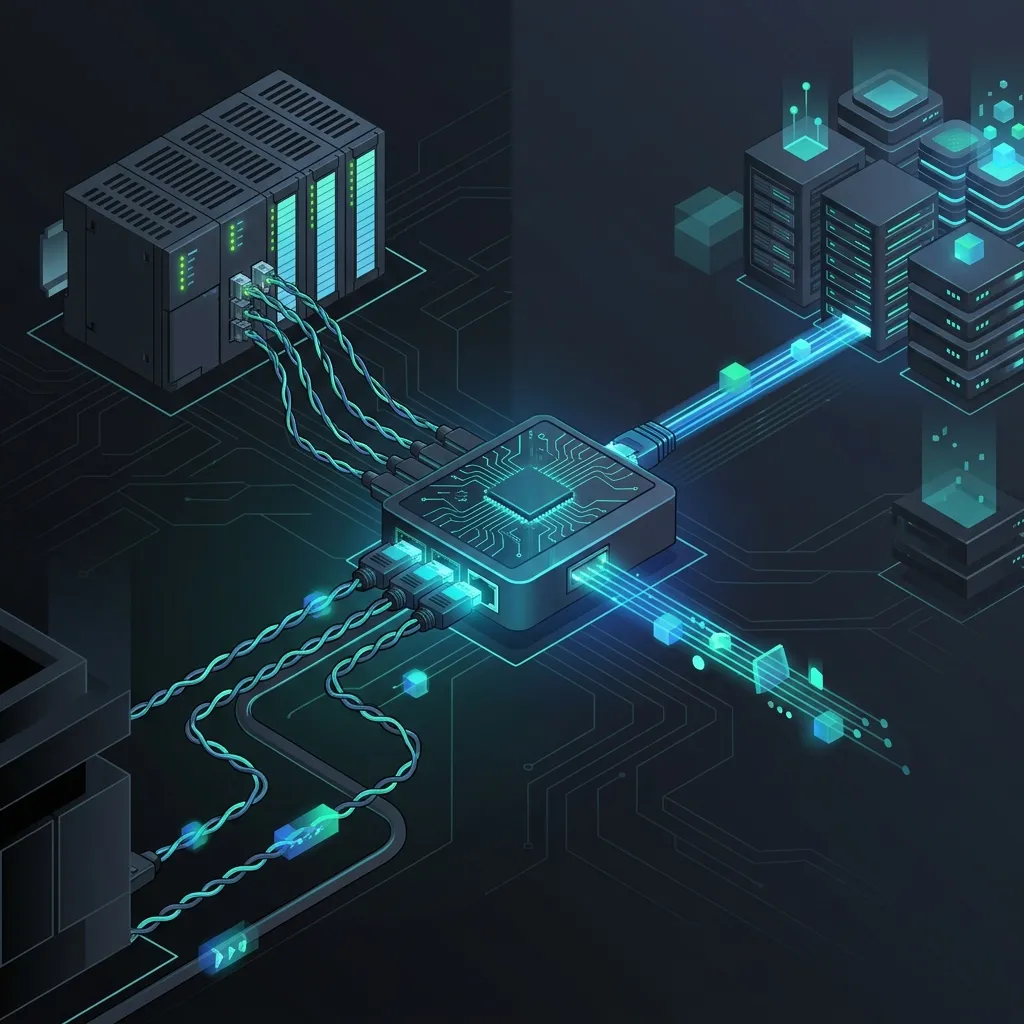
- Wired Ethernet/PROFINET: Used for mission-critical, high-bandwidth data where absolute reliability is required.
- Private 5G/LTE: Provides high bandwidth and low latency across massive outdoor industrial sites (like ports or oil refineries).
- LPWAN (LoRaWAN / NB-IoT): Used for battery-powered sensors located in hard-to-reach areas. They transmit tiny amounts of data over long distances and the batteries can last for years.
3. The Brain: Data Processing (Edge and Cloud)
Industrial machines generate a tsunami of data—often gigabytes per day per machine. Sending all of this raw data to the cloud is expensive and slow.
Modern IIoT systems use a hybrid approach. Edge Computing gateways sit on the factory floor and filter the data. If a temperature sensor reports "normal" 10,000 times a minute, the Edge device deletes that data. It only sends the anomaly—the moment the temperature spikes—up to the Cloud for long-term storage and advanced AI analysis.
4. The Interface: Analytics and Dashboards
Raw data is useless to a floor manager. The final pillar is the software application that visualizes the data. Good IIoT dashboards translate complex vibration frequencies into simple red/yellow/green health indicators. More advanced systems integrate with the company's ERP or CMMS software to automatically generate a work order when a machine shows signs of failing.
The Direct ROI of Industrial Monitoring
Why go through the massive effort and expense of deploying thousands of sensors? Because the Return on Investment is profound and immediate.
- Predictive Maintenance: This is the killer app of IIoT. Instead of replacing parts on a rigid calendar schedule (wasteful) or waiting for them to break (catastrophic), you replace them exactly when the sensor data indicates they are beginning to degrade.
- Energy Optimization: By monitoring energy draw at the machine level, factories can identify "vampire" equipment that is drawing excess power, or optimize production schedules to avoid peak energy pricing hours.
- Safety and Compliance: Automated monitoring ensures environmental parameters (like toxic gas levels or safe operating temperatures) are continuously logged, providing an unalterable audit trail for regulatory compliance.
Conclusion
Industrial IoT monitoring is the foundational step toward building a true "Smart Factory." You cannot optimize what you cannot measure, and IIoT gives you the power to measure everything, all the time, in real-time.