
By an industry veteran with 30 years in tech.
Railways are the arteries of global commerce and public transit. They are also incredibly complex, sprawling networks that are notoriously difficult and expensive to maintain. A single delayed freight train can disrupt a national supply chain, and a minor track defect can lead to catastrophic consequences.
For decades, rail network operators have relied on rigid schedules and manual inspections. But a paradigm shift is occurring. Artificial Intelligence (AI) is turning thousands of miles of steel and wood into an intelligent, self-monitoring nervous system.
Here are the top AI use cases that are revolutionizing the railway industry today, focusing heavily on predictive maintenance and safety.
1. Predictive Maintenance for Rolling Stock
Rolling stock (locomotives and railcars) are subjected to extreme wear and tear. Traditional maintenance involves pulling a train out of service every few thousand miles for a manual tear-down—a costly and inefficient process.
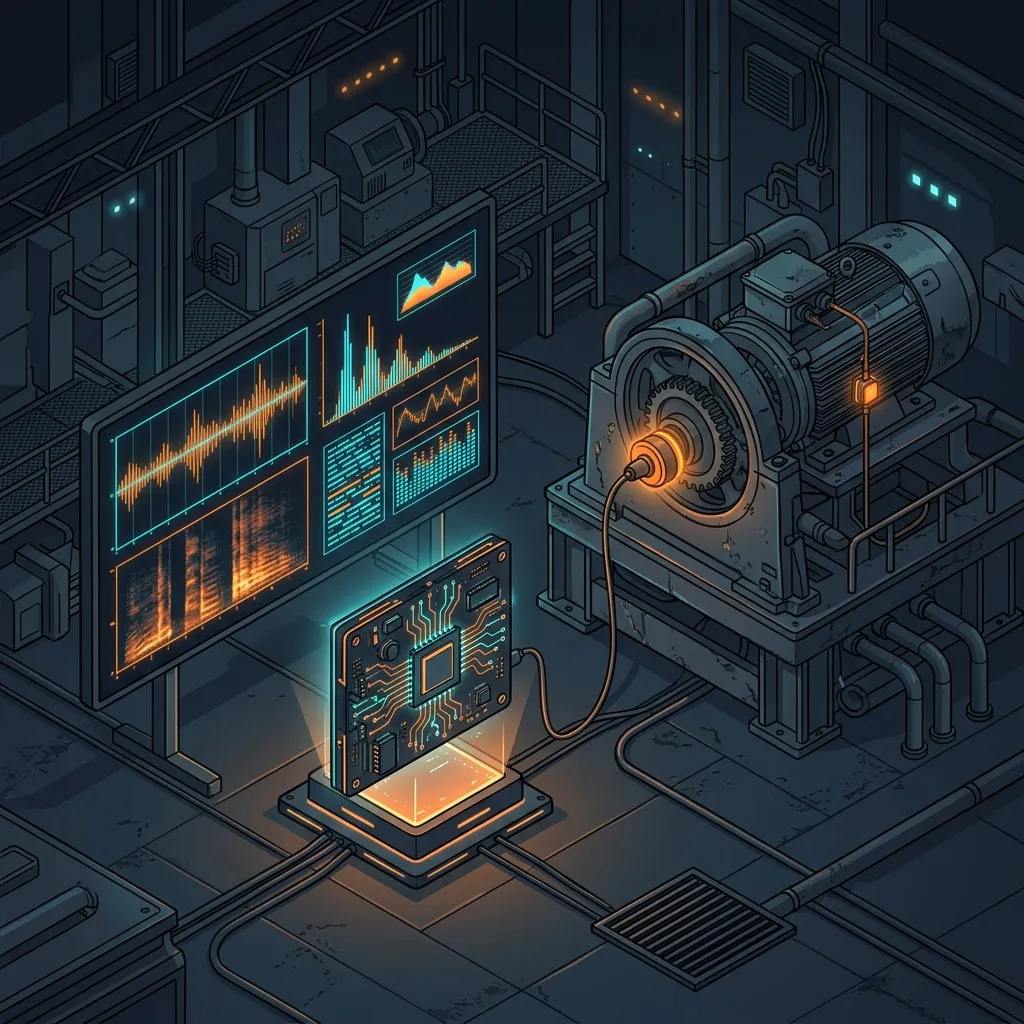
Today, modern locomotives are essentially rolling data centers, equipped with hundreds of IoT sensors monitoring vibration, temperature, oil pressure, and acoustic signatures. AI algorithms, specifically machine learning anomaly detection models, ingest this massive stream of data in real-time.
The AI learns the "normal" acoustic signature of a healthy wheel bearing. When that bearing begins to degrade—long before a human inspector could detect an issue or it fails entirely—the AI flags the anomaly. The train is automatically scheduled for targeted maintenance at the next depot, eliminating catastrophic failures and significantly reducing unnecessary maintenance downtime.
2. Computer Vision for Track and Infrastructure Inspection
Inspecting thousands of miles of track for cracks, missing fasteners, or encroaching vegetation used to require slow-moving inspection cars manned by visual inspectors. It was tedious and error-prone.
Now, rail operators attach high-resolution cameras and LiDAR (Light Detection and Ranging) sensors to the front of regular passenger and freight trains. As the train travels at normal speeds, computer vision algorithms process the video feed frame-by-frame.
These deep learning models are trained to instantly identify:
- Micro-fractures in the steel rails.
- Missing or loose track fasteners.
- Debris or fallen trees blocking the right-of-way.
- Degradation of overhead power lines.
When a defect is spotted, the exact GPS coordinates are instantly transmitted to a maintenance crew, ensuring repairs are made before a derailment can occur.
3. Intelligent Signaling and Traffic Management
Managing the flow of hundreds of trains across a busy network is a monumental logistical challenge. A delay in one sector creates a ripple effect across the entire grid.
AI is replacing legacy signaling systems with dynamic, predictive traffic management. By analyzing real-time GPS data, weather conditions, train speeds, and historical delay patterns, AI algorithms can predict bottlenecks hours before they happen.
The system automatically adjusts the speed of specific trains—slowing one down slightly so it arrives at a junction exactly as another clears it—optimizing the flow of the entire network without requiring a train to ever come to a complete stop. This reduces energy consumption (braking and accelerating heavy trains consumes massive power) and dramatically improves on-time performance.
4. Passenger Safety and Crowd Management
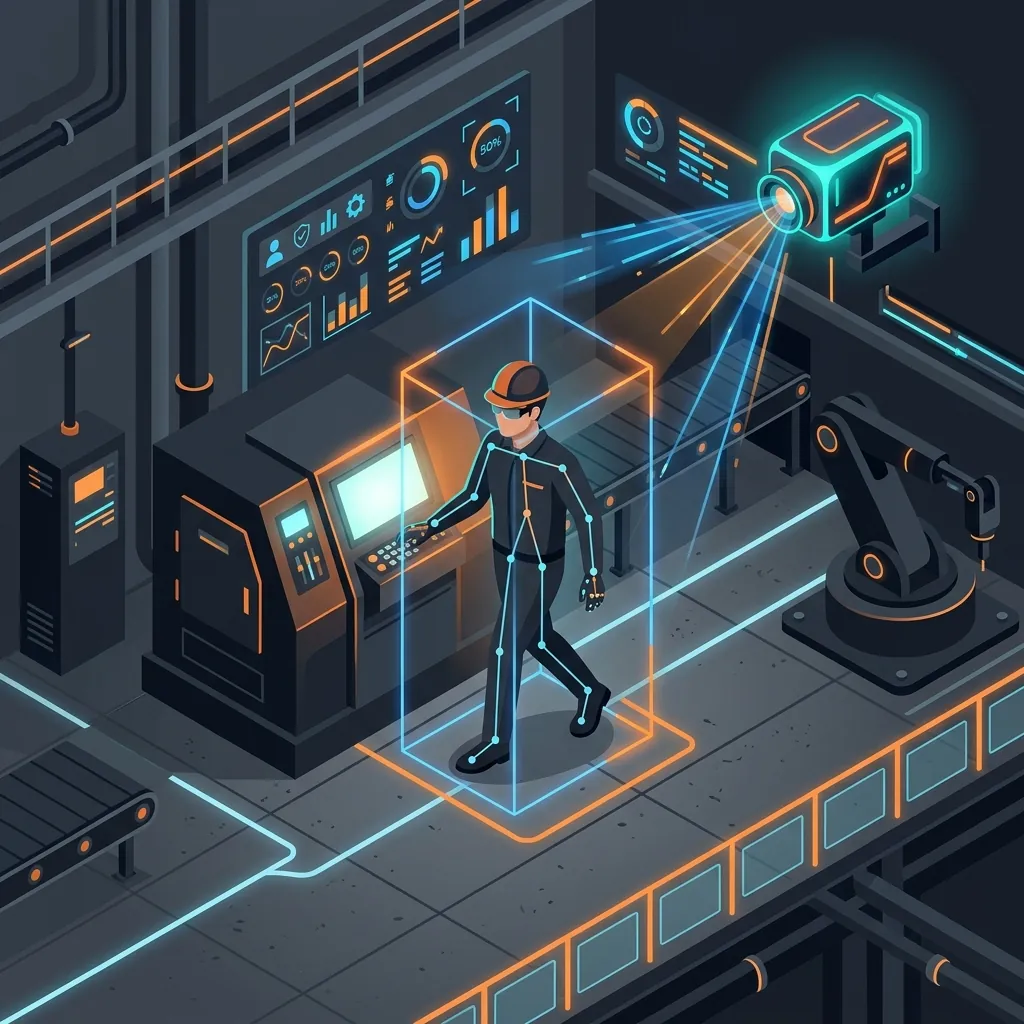
In busy metro networks, passenger safety on the platform is paramount. AI-powered computer vision systems analyze CCTV feeds in real-time to monitor crowd density.
If a platform becomes dangerously overcrowded, the AI automatically alerts station managers to deploy crowd control measures or dispatch an empty train to clear the backlog. Furthermore, these systems are trained to detect safety anomalies, such as a passenger crossing the yellow line or an object falling onto the tracks, instantly triggering an emergency halt to incoming trains.
The Future is on the Rails
The railway industry is proving that AI isn't just for Silicon Valley software companies. By applying machine learning and computer vision to heavy, physical infrastructure, rail operators are achieving unprecedented levels of safety, efficiency, and reliability.
The train of the future isn't just faster; it's infinitely smarter.