
By an industry veteran with 30 years in tech.
If you walked onto a factory floor in the 1990s, the noise was deafening, the air smelled of ozone and hot metal, and the most sophisticated piece of technology was likely a Programmable Logic Controller (PLC) that did exactly what it was told, over and over, until it broke.
Today, the modern factory is a very different beast. It is quiet. It is clean. And most importantly, it is thinking.
The integration of Artificial Intelligence (AI) in manufacturing is no longer a futuristic proof-of-concept; it is a competitive necessity. We are in the midst of the Fourth Industrial Revolution (Industry 4.0), and AI is the engine driving it. This guide breaks down exactly how AI is transforming the manufacturing lifecycle, from the physical machines on the floor to the strategic decisions made in the cloud.
The Factory Floor: AI at the Edge
The most immediate and physical impact of AI is happening right on the assembly line, often referred to as "Edge AI" because the processing happens locally on the machines themselves.
1. Predictive Maintenance
Traditionally, manufacturers relied on preventative maintenance (replacing parts on a schedule whether they needed it or not) or reactive maintenance (waiting for a machine to break). Both are wildly inefficient.
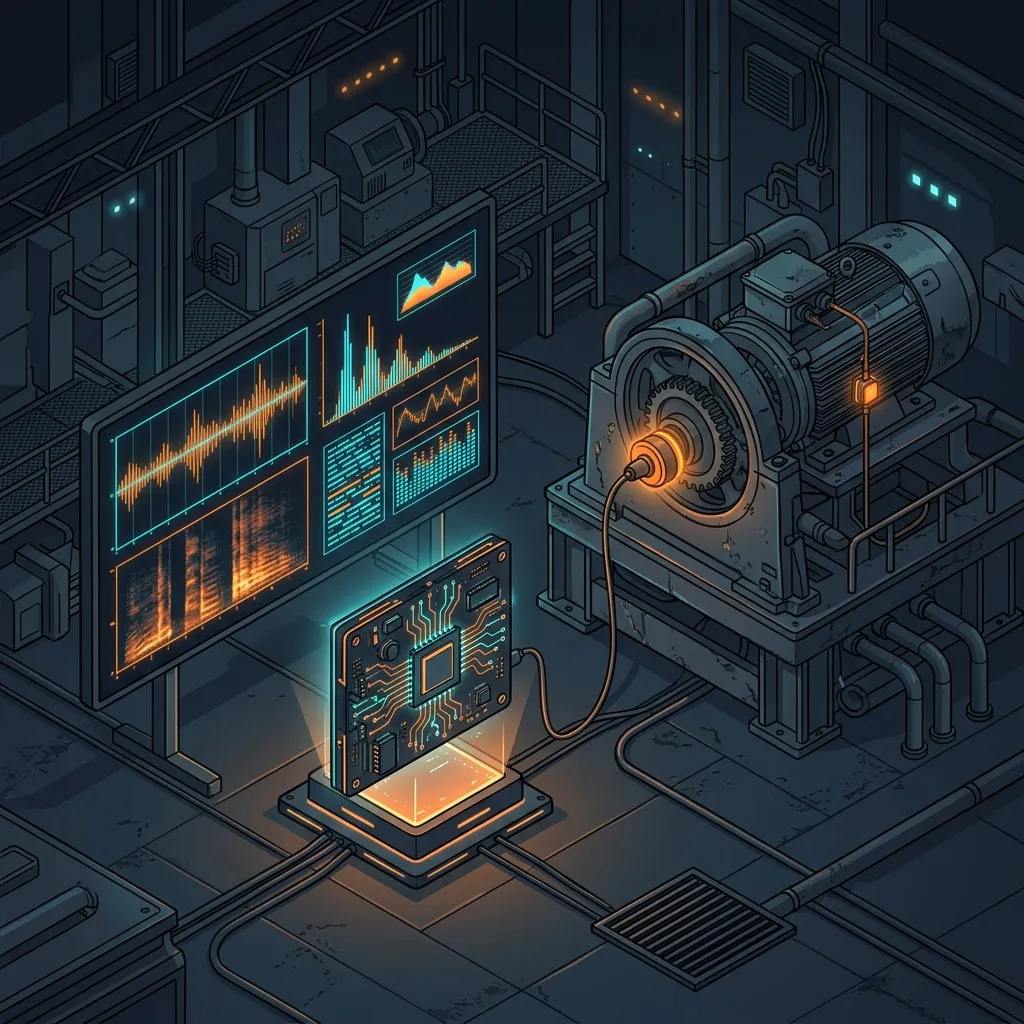
AI introduces Predictive Maintenance. By analyzing continuous streams of data from acoustic, thermal, and vibration sensors attached to machinery, machine learning models can detect microscopic anomalies. The AI can predict a bearing failure weeks before it happens, allowing teams to schedule a repair during off-hours, saving millions in unscheduled downtime.
2. Automated Quality Inspection
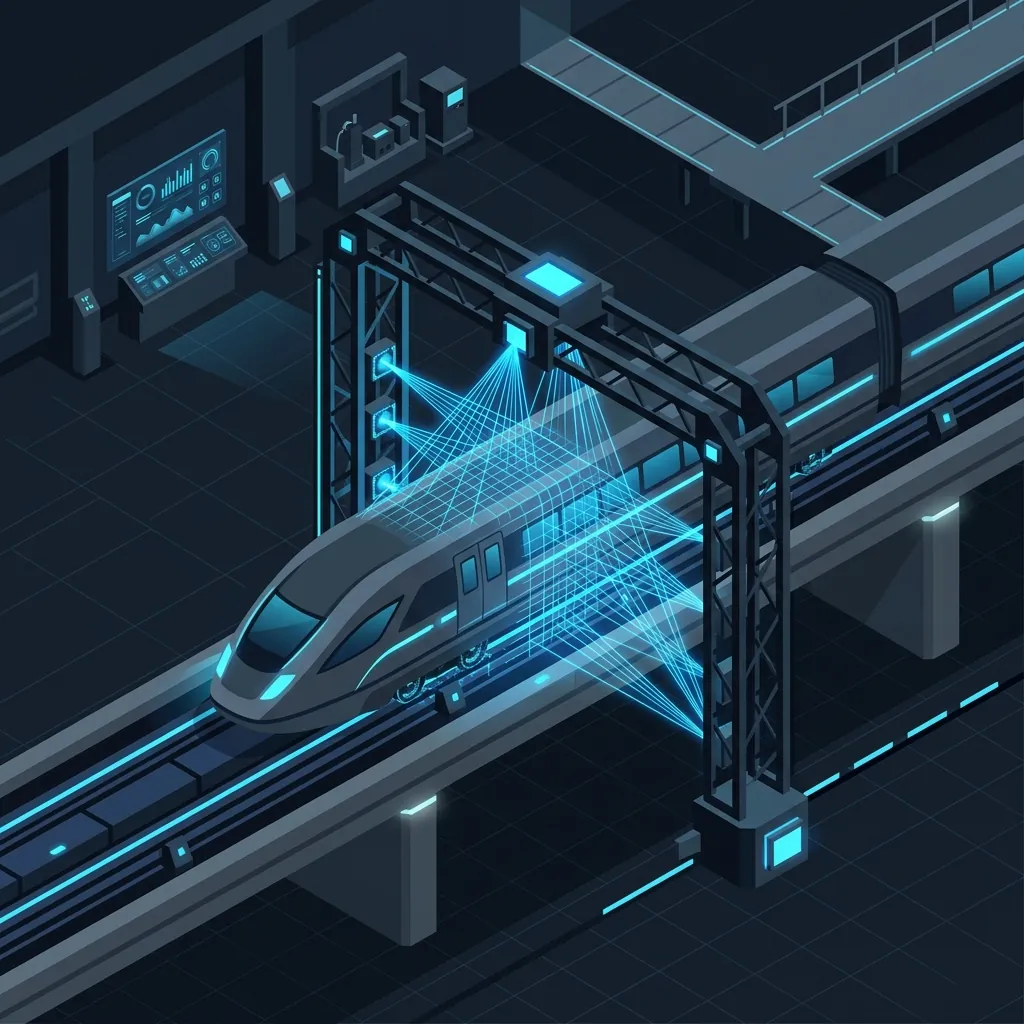
Human inspectors get tired. They get distracted. Computer vision models do not. High-speed cameras powered by deep learning algorithms inspect products moving down a conveyor belt at 60 frames per second. They can detect a micro-fracture in a piece of sheet metal or a misaligned label on a bottle with 99.9% accuracy, instantly kicking the defective product off the line.
3. Collaborative Robots (Cobots)
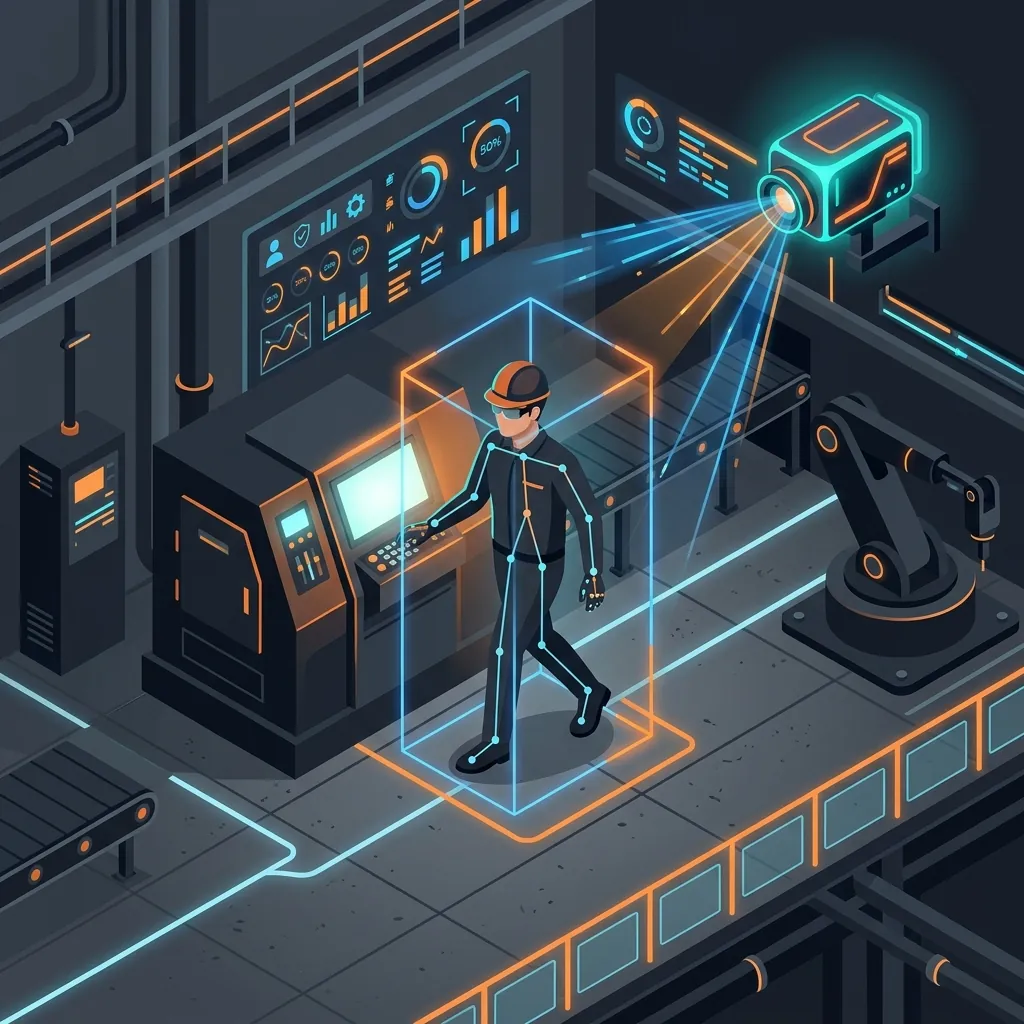
Unlike traditional industrial robots that operate in cages due to safety concerns, AI-powered "cobots" are designed to work alongside humans. Using advanced spatial awareness and computer vision, these robots can sense a human's presence and safely hand them parts, lift heavy objects, or perform precision welding.
The Control Room: Process Optimization
Moving a step above the individual machines, AI is used to optimize the entire manufacturing process.
1. Yield Optimization
In complex manufacturing processes like semiconductor fabrication or chemical processing, tiny variations in temperature, pressure, or chemical mixtures can ruin a batch. AI algorithms continuously monitor hundreds of variables in real-time, instantly adjusting the parameters to ensure maximum yield and minimum waste.
2. Energy Management
Factories consume massive amounts of power. AI analyzes historical energy usage, weather forecasts, and production schedules to optimize heating, cooling, and machine operation, significantly reducing a facility's carbon footprint and energy bill.
The Cloud: Supply Chain and Strategy
The true power of AI is realized when the data from the factory floor is aggregated in the cloud and combined with external business data.
1. Demand Forecasting
AI models analyze historical sales data, market trends, social media sentiment, and even global weather patterns to predict exactly what products will be needed, where, and when. This allows manufacturers to optimize production schedules and reduce costly inventory warehousing.
2. Supply Chain Resilience
Global supply chains are incredibly fragile. AI can monitor global news, shipping lane congestion, and raw material shortages in real-time. If a typhoon is predicted to disrupt a shipping port in Asia, the AI can automatically reroute shipments or suggest alternative suppliers before the disruption impacts the factory floor.
The Bottom Line
Implementing AI in manufacturing is not about replacing human workers; it is about augmenting them. It removes the dull, dirty, and dangerous tasks, allowing humans to focus on strategy, design, and innovation.
The factories of the future are not just places where things are made; they are massive data-processing engines that continuously learn, adapt, and optimize themselves. If you aren't laying the groundwork for AI in your manufacturing operations today, you will simply not be able to compete tomorrow.