
By an industry veteran in tech.
You’ve read the case studies. You’ve seen the staggering ROI numbers. You know that Artificial Intelligence is the future of manufacturing. But when you walk onto your own factory floor—with its mix of legacy 1980s machinery, proprietary software silos, and manual clipboards—the idea of implementing "AI" feels like trying to install a jet engine on a bicycle.
The most common mistake manufacturers make is trying to boil the ocean. They buy expensive, overarching "AI platforms" before they even know what problem they are solving.
Implementing AI on a factory floor is not an IT project; it is a systematic, operational evolution. Here is the step-by-step blueprint for doing it right.
Step 1: Identify the "Bleeding Neck" Problem
Do not start with the technology; start with the pain. Where are you bleeding the most money?
- Is it unscheduled downtime because a critical CNC machine keeps failing unexpectedly?
- Is it quality control because defective units are slipping past human inspectors and causing costly customer returns?
- Is it waste because the raw material mixing process is inefficient?
Pick exactly one problem for your initial pilot project. A highly focused, successful pilot builds the internal trust and budget necessary for wider scaling.
Step 2: The Data Readiness Audit
AI is essentially a very sophisticated pattern-recognition machine. To recognize patterns, it needs data. Before you write a single line of code, you must audit your data.
If you chose predictive maintenance as your pilot, ask yourself:
- Do our machines have sensors that output digital data (vibration, temperature, RPM)?
- If not, can we retrofit them with cheap aftermarket IoT sensors?
- Is this data being saved in a historian database, or is it just flashing on a screen and disappearing?
- Do we have a historical log of when the machine broke down in the past? (The AI needs historical failure data to learn what a "pre-failure" state looks like).
If your data lives on paper clipboards, your first step isn't AI; your first step is digitization.
Step 3: Connect the Edge
Factory floors cannot rely on cloud processing for real-time operations due to latency and internet reliability issues. You need to establish an Edge Computing infrastructure.
This means installing industrial PCs or specialized microcomputers (like NVIDIA Jetson modules) directly adjacent to the machinery on the floor. The data flows from the machine sensors, directly into this local Edge device, allowing the AI to process it in milliseconds.
Step 4: Build or Buy the Model
Now you introduce the AI. Depending on your problem, you have two paths:
- Buy (Off-the-Shelf SaaS): For common problems, don't reinvent the wheel. There are dozens of excellent, pre-trained AI computer vision platforms for quality inspection. You simply upload 500 photos of a "good" part and 500 photos of a "bad" part, and the system trains itself.
- Build (Custom ML): If your manufacturing process is highly proprietary (e.g., a complex chemical mixing process), you will need to hire a data science team or consulting firm to build a custom machine learning model tailored specifically to your data.
Step 5: Run a "Shadow" Pilot
Never let a brand-new AI model make decisions that affect production. Run it in "shadow mode."
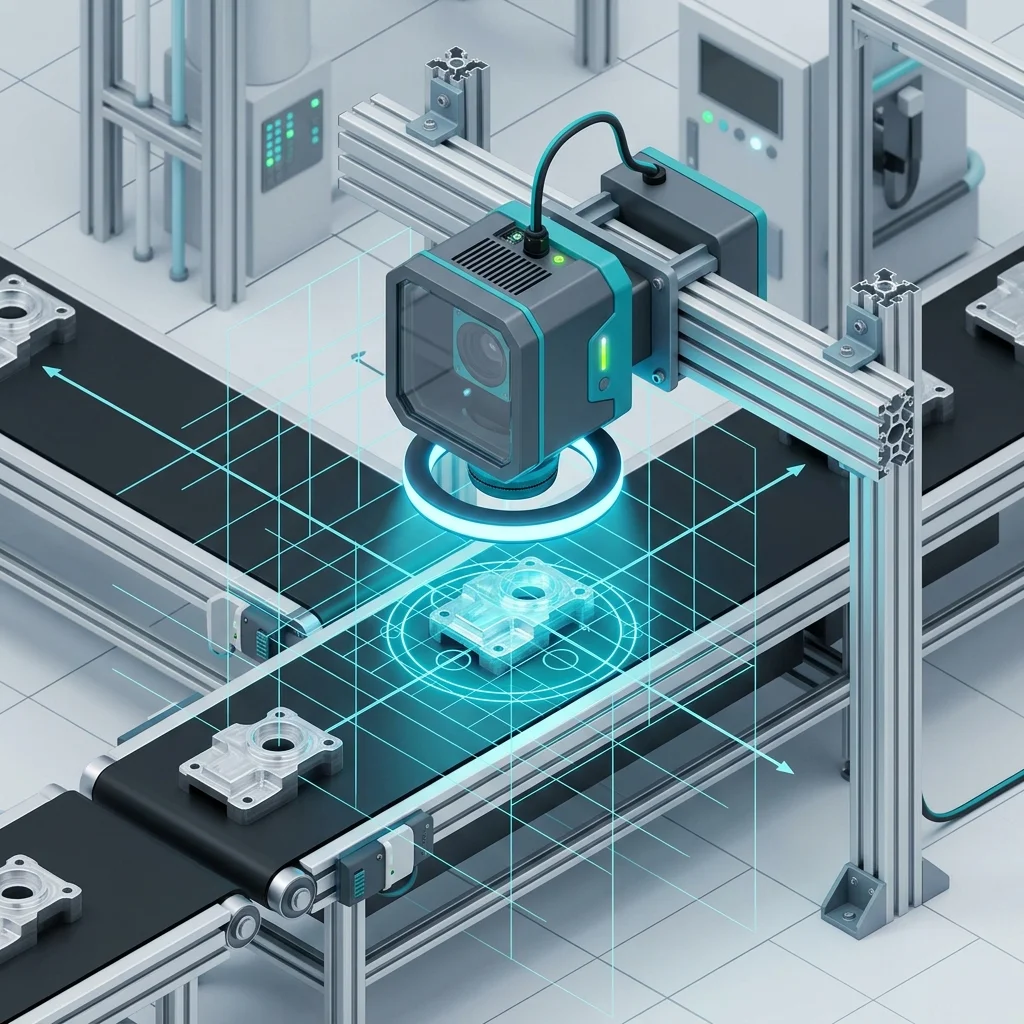
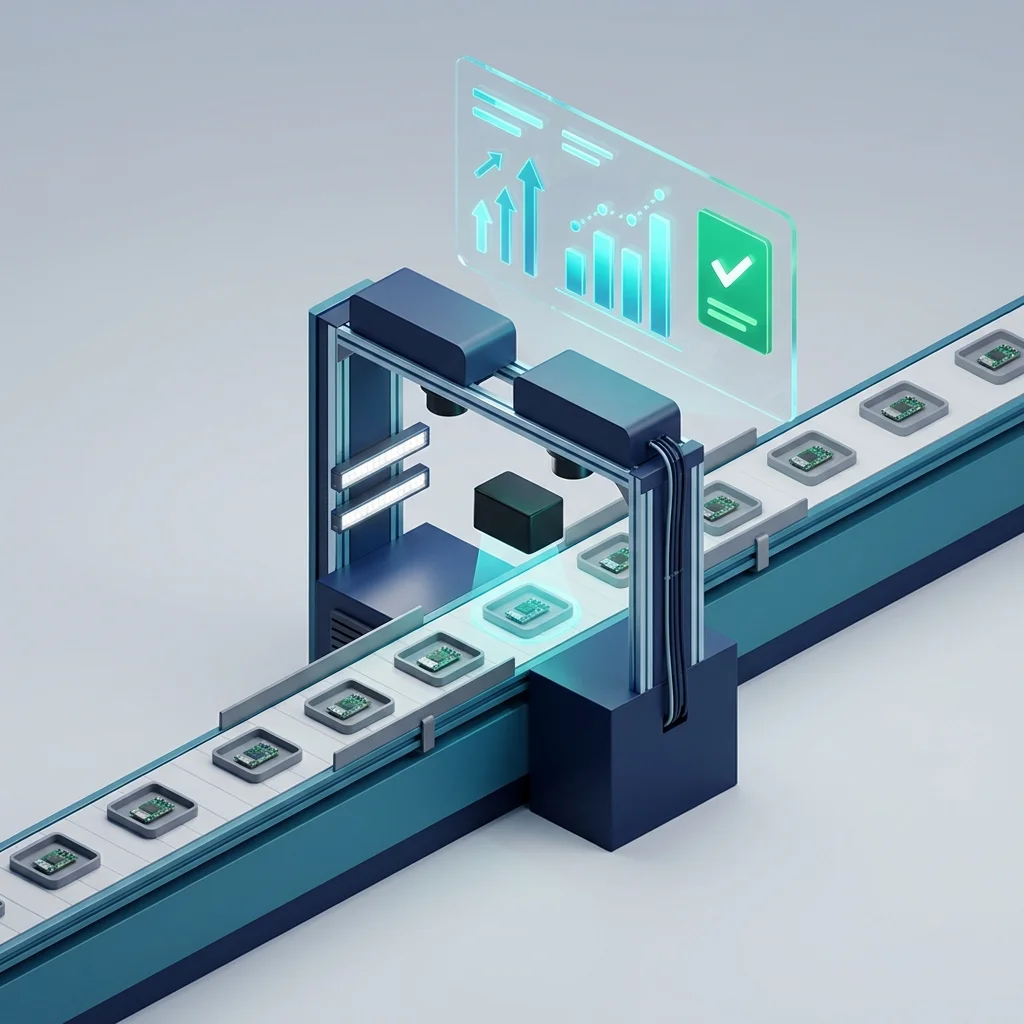
If it's an AI quality inspector, let the human inspector keep doing their job, but run the AI camera alongside them. Compare the results at the end of the week. Did the AI catch defects the human missed? Did the AI flag perfectly good parts as defective (false positives)?
Use this shadow period to fine-tune the model's accuracy without risking your production line.
Step 6: Integrate and Scale
Once the AI has proven its accuracy in shadow mode, integrate it into the actual workflow. The AI should now trigger automated alerts—sending a text message to a maintenance tech when a machine shows signs of failing, or activating a pneumatic kicker to push a defective part off the line.
Once Pilot Project A is generating measurable ROI, you take those savings and move to Step 1 for Pilot Project B.
The Bottom Line
Implementing AI on a factory floor is a journey of incremental modernization. It requires patience, a religious focus on data quality, and a willingness to start small. By focusing on acute operational pain points and leveraging edge computing, any factory—no matter how old the machinery—can step into the era of intelligent manufacturing.