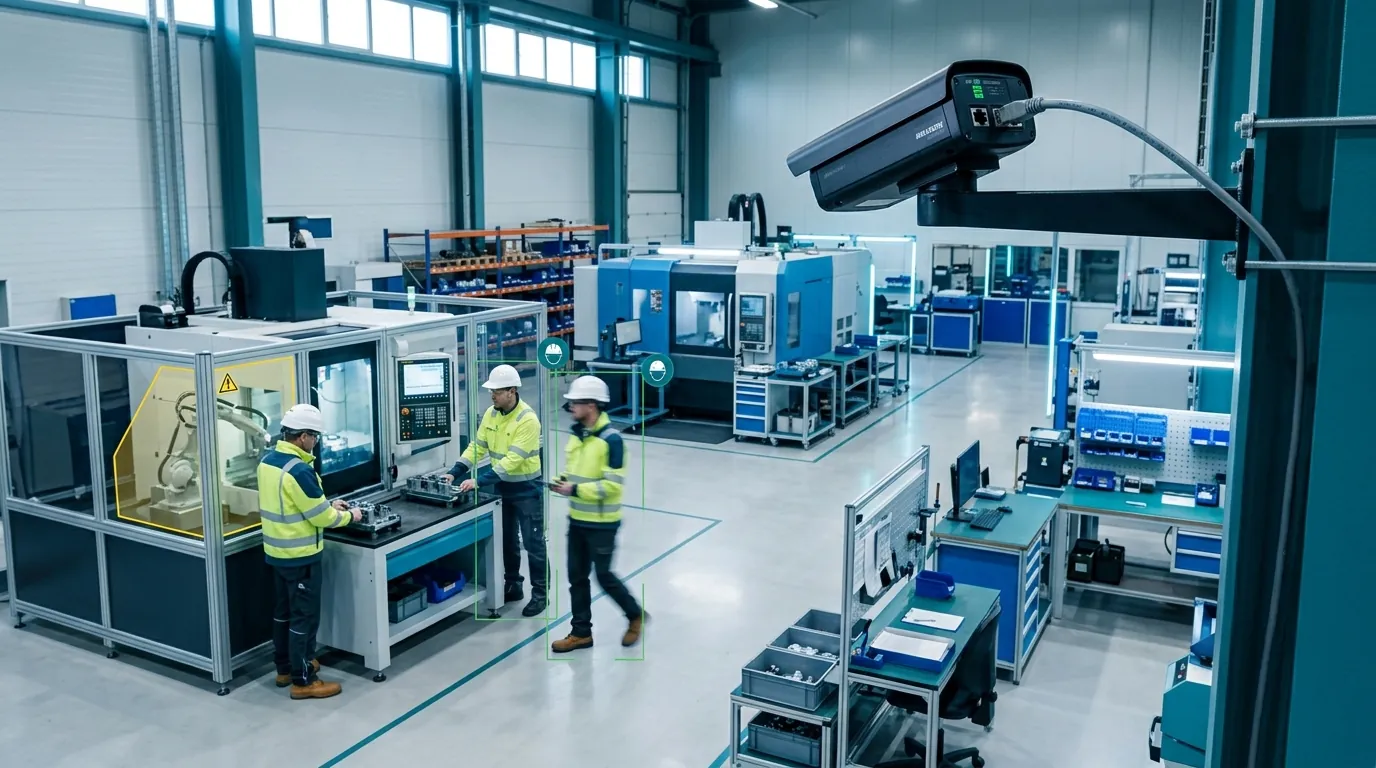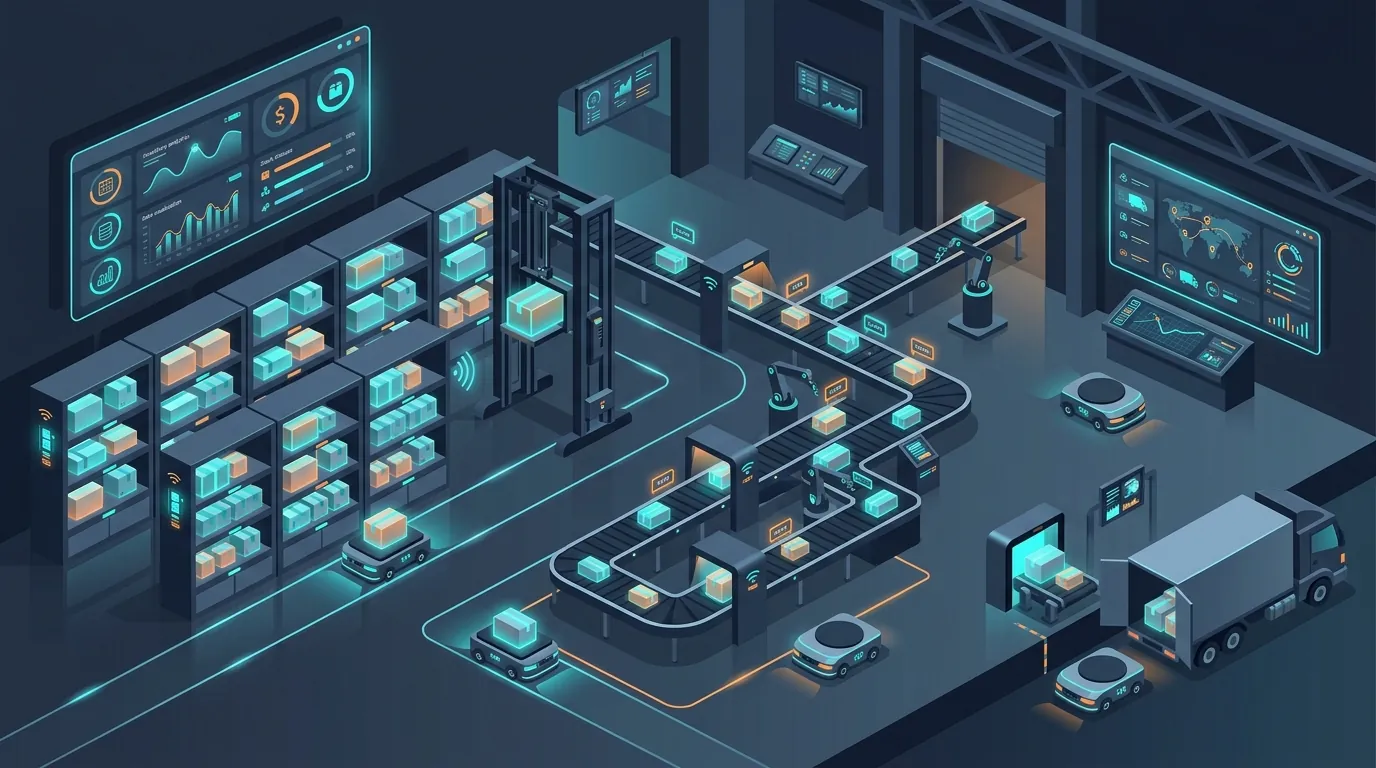

In the rapidly expanding domain of edge computing, NVIDIA Jetson computer vision development stands out as the gold standard for deploying high-performance artificial intelligence at the very periphery of the network. The ability to execute complex neural networks locally, without the latency, bandwidth constraints, and privacy concerns associated with cloud connectivity, is revolutionizing industries ranging from autonomous robotics and smart agriculture to intelligent video analytics and advanced manufacturing. The Jetson platform, with its scalable architecture and robust software ecosystem, provides developers with an unprecedented toolkit for translating ambitious AI concepts into tangible, real-world solutions.
Deconstructing the Jetson Family: Nano, Xavier, and Orin
The NVIDIA Jetson lineup is not a monolithic product, but rather a carefully tiered family of System-on-Modules (SoMs), each designed to cater to specific performance, power, and budget requirements. Selecting the appropriate hardware foundation is the critical first step in any edge AI project.
- Jetson Nano: The entry point to the ecosystem, the Nano is optimized for size, weight, and power (SWaP) constrained applications. While it possesses the lowest computational throughput of the family, it is surprisingly capable for foundational computer vision tasks such as basic object detection, image classification, and simple tracking. It is ideal for prototyping, educational purposes, and deploying lightweight models in highly cost-sensitive Internet of Things (IoT) endpoints.
- Jetson Xavier (NX and AGX): The Xavier generation marked a massive leap in architectural complexity and performance. Incorporating specialized Tensor Cores and advanced Deep Learning Accelerators (DLAs), the Xavier modules are designed to handle multiple high-resolution sensor streams simultaneously. They are the workhorses of the edge AI world, powering sophisticated autonomous machines, complex industrial inspection systems, and advanced driver-assistance systems (ADAS) where deterministic, real-time performance is non-negotiable.
- Jetson Orin (Nano, NX, and AGX): The latest iteration, the Orin architecture, delivers a generational leap in AI compute capability, bringing server-class performance to the edge. The flagship AGX Orin module offers up to 275 TOPS (Tera Operations Per Second), enabling the deployment of massive, multi-modal transformer models and highly complex sensor fusion algorithms (combining Lidar, Radar, and high-framerate cameras) that were previously the exclusive domain of robust datacenter servers. The Orin family represents the bleeding edge of embedded AI capability.
The NVIDIA Jetson lineup is not a monolithic product, but rather a carefully tiered family of System-on-Modules (SoMs), each designed to cater to specific performance, power, and budget requirements. Selecting the appropriate hardware foundation is the critical first step in any edge AI project.
The NVIDIA Jetson lineup is not a monolithic product, but rather a carefully tiered family of System-on-Modules (SoMs), each designed to cater to specific performance, power, and budget requirements. Selecting the appropriate hardware foundation is the critical first step in any edge AI project.
The NVIDIA Jetson lineup is not a monolithic product, but rather a carefully tiered family of System-on-Modules (SoMs), each designed to cater to specific performance, power, and budget requirements. Selecting the appropriate hardware foundation is the critical first step in any edge AI project.
The NVIDIA Jetson lineup is not a monolithic product, but rather a carefully tiered family of System-on-Modules (SoMs), each designed to cater to specific performance, power, and budget requirements. Selecting the appropriate hardware foundation is the critical first step in any edge AI project.
The NVIDIA Jetson lineup is not a monolithic product, but rather a carefully tiered family of System-on-Modules (SoMs), each designed to cater to specific performance, power, and budget requirements. Selecting the appropriate hardware foundation is the critical first step in any edge AI project.
The NVIDIA Jetson lineup is not a monolithic product, but rather a carefully tiered family of System-on-Modules (SoMs), each designed to cater to specific performance, power, and budget requirements. Selecting the appropriate hardware foundation is the critical first step in any edge AI project.
Performance Optimization: The Power of TensorRT and CUDA
Deploying a model trained in PyTorch or TensorFlow directly onto a Jetson device is rarely optimal. To harness the true computational power of the underlying GPU architecture, developers must leverage NVIDIA's proprietary software stack, specifically TensorRT and CUDA.
CUDA Acceleration
Compute Unified Device Architecture (CUDA) is the foundational parallel computing platform that allows developers to access the immense processing power of NVIDIA GPUs for general-purpose computing. In the context of computer vision, CUDA is utilized to accelerate highly parallelizable tasks such as image pre-processing (resizing, normalization, color space conversion) and post-processing (non-maximum suppression, bounding box decoding). Offloading these operations from the relatively weak embedded CPU to the massively parallel GPU is essential for achieving high frame rates and minimizing end-to-end latency.
TensorRT Optimization
TensorRT is an SDK designed specifically for high-performance deep learning inference. It takes a trained neural network and performs a series of aggressive, hardware-specific optimizations to maximize execution speed and minimize memory footprint. These optimizations include:
- Precision Calibration: Converting the model's weights and activations from 32-bit floating-point (FP32) to lower precision formats like FP16 or even 8-bit integer (INT8) with minimal loss in accuracy. This significantly increases throughput and reduces memory bandwidth requirements.
- Layer and Tensor Fusion: Combining multiple computational layers into a single, optimized kernel, reducing the overhead of memory read/write operations between layers.
- Kernel Auto-Tuning: Dynamically selecting the most efficient algorithmic implementation (kernel) for the specific GPU architecture of the target Jetson device.
Mastering TensorRT is the hallmark of an expert edge AI development company, as it is the key to unlocking real-time performance on embedded hardware.
Mastering TensorRT is the hallmark of an expert edge AI development company, as it is the key to unlocking real-time performance on embedded hardware.
Mastering TensorRT is the hallmark of an expert edge AI development company, as it is the key to unlocking real-time performance on embedded hardware.
Mastering TensorRT is the hallmark of an expert edge AI development company, as it is the key to unlocking real-time performance on embedded hardware.
Mastering TensorRT is the hallmark of an expert edge AI development company, as it is the key to unlocking real-time performance on embedded hardware.
Mastering TensorRT is the hallmark of an expert edge AI development company, as it is the key to unlocking real-time performance on embedded hardware.
Mastering TensorRT is the hallmark of an expert edge AI development company, as it is the key to unlocking real-time performance on embedded hardware.
Containerized Deployment at the Edge
Developing an AI application is only half the battle; deploying and managing that application reliably across a fleet of remote edge devices presents a significant logistical challenge. The solution lies in containerization, primarily utilizing Docker.
Containerization encapsulates the entire application runtime environment—including the operating system libraries, CUDA dependencies, AI frameworks, and application code—into a single, portable image. This ensures absolute consistency between the development environment and the production deployment, eliminating the notorious "it works on my machine" syndrome. For Jetson development, NVIDIA provides customized base images (l4t-base) that are pre-configured with the necessary Board Support Package (BSP) and GPU drivers.
"Docker containers bring the agility and reliability of cloud-native DevOps practices to the rugged, remote, and often unpredictable environment of the edge, enabling seamless updates and robust lifecycle management."
Furthermore, orchestrating these containers using tools like Kubernetes (specifically lightweight distributions like K3s) allows organizations to manage fleets of Jetson devices as a unified compute cluster, facilitating automated deployments, rolling updates, and robust system monitoring.
Furthermore, orchestrating these containers using tools like Kubernetes (specifically lightweight distributions like K3s) allows organizations to manage fleets of Jetson devices as a unified compute cluster, facilitating automated deployments, rolling updates, and robust system monitoring.
Furthermore, orchestrating these containers using tools like Kubernetes (specifically lightweight distributions like K3s) allows organizations to manage fleets of Jetson devices as a unified compute cluster, facilitating automated deployments, rolling updates, and robust system monitoring.
Furthermore, orchestrating these containers using tools like Kubernetes (specifically lightweight distributions like K3s) allows organizations to manage fleets of Jetson devices as a unified compute cluster, facilitating automated deployments, rolling updates, and robust system monitoring.
Conclusion
Developing robust computer vision applications for the NVIDIA Jetson platform is a complex but immensely rewarding endeavor. It requires a deep understanding of not just neural network architectures, but also embedded hardware constraints, low-level optimization techniques (TensorRT/CUDA), and modern, containerized deployment strategies. By mastering these diverse disciplines, developers can push the boundaries of what is possible at the edge, building intelligent, autonomous systems that operate with unprecedented speed, efficiency, and reliability in the most challenging real-world environments. The Jetson ecosystem is not just a hardware platform; it is the foundation upon which the next generation of intelligent, distributed computing is being built.
Developing robust computer vision applications for the NVIDIA Jetson platform is a complex but immensely rewarding endeavor. It requires a deep understanding of not just neural network architectures, but also embedded hardware constraints, low-level optimization techniques (TensorRT/CUDA), and modern, containerized deployment strategies. By mastering these diverse disciplines, developers can push the boundaries of what is possible at the edge, building intelligent, autonomous systems that operate with unprecedented speed, efficiency, and reliability in the most challenging real-world environments. The Jetson ecosystem is not just a hardware platform; it is the foundation upon which the next generation of intelligent, distributed computing is being built.
Developing robust computer vision applications for the NVIDIA Jetson platform is a complex but immensely rewarding endeavor. It requires a deep understanding of not just neural network architectures, but also embedded hardware constraints, low-level optimization techniques (TensorRT/CUDA), and modern, containerized deployment strategies. By mastering these diverse disciplines, developers can push the boundaries of what is possible at the edge, building intelligent, autonomous systems that operate with unprecedented speed, efficiency, and reliability in the most challenging real-world environments. The Jetson ecosystem is not just a hardware platform; it is the foundation upon which the next generation of intelligent, distributed computing is being built.