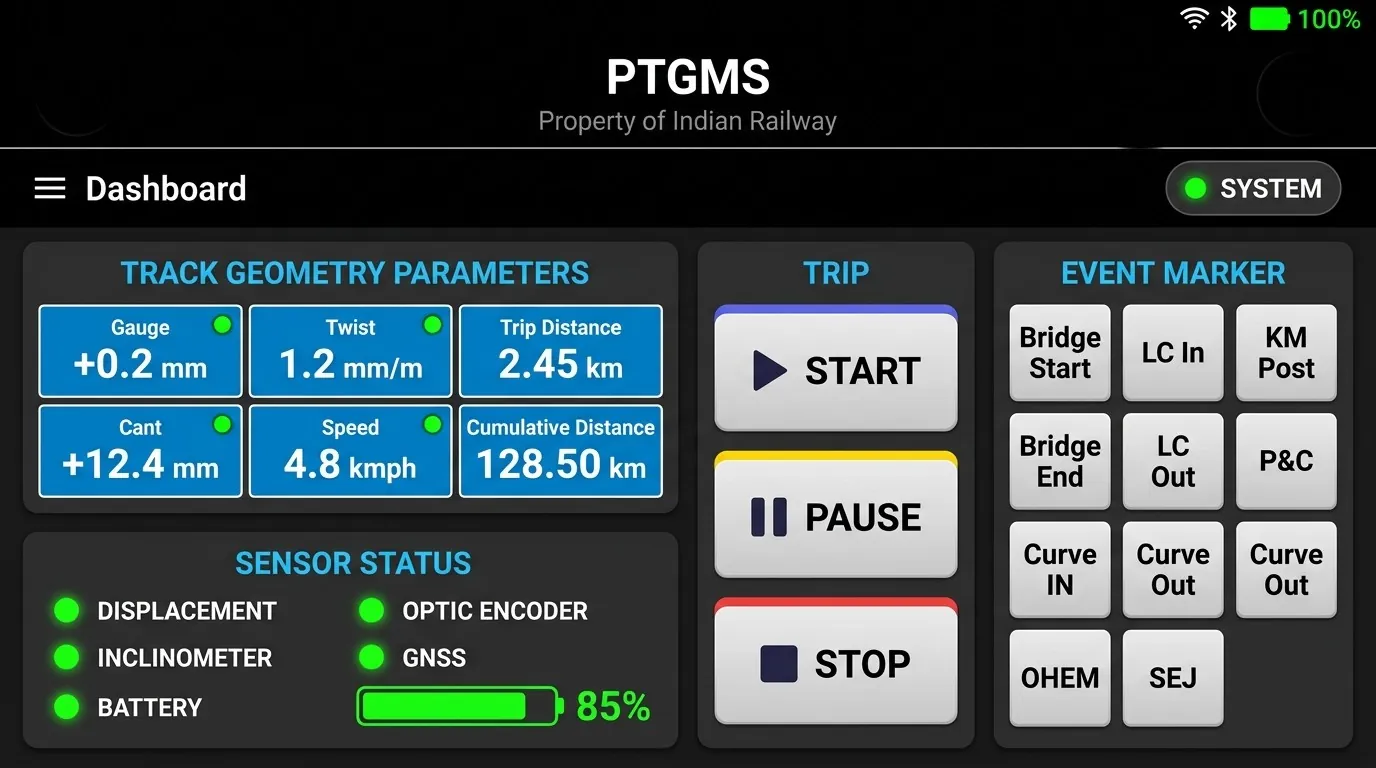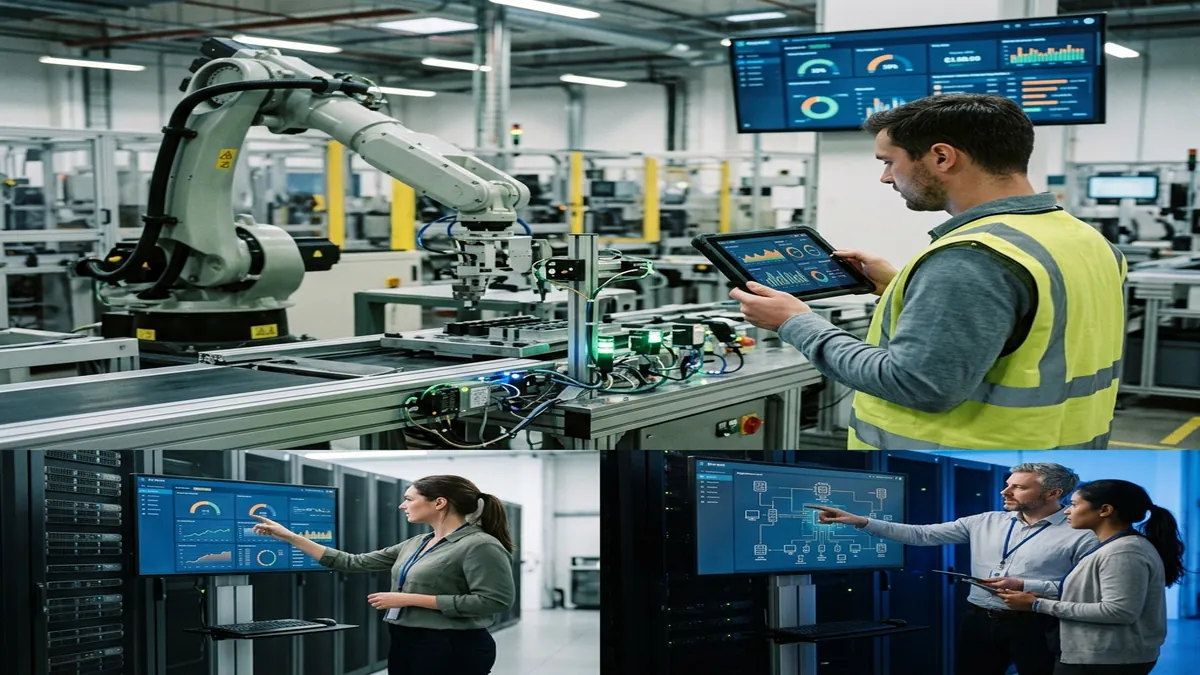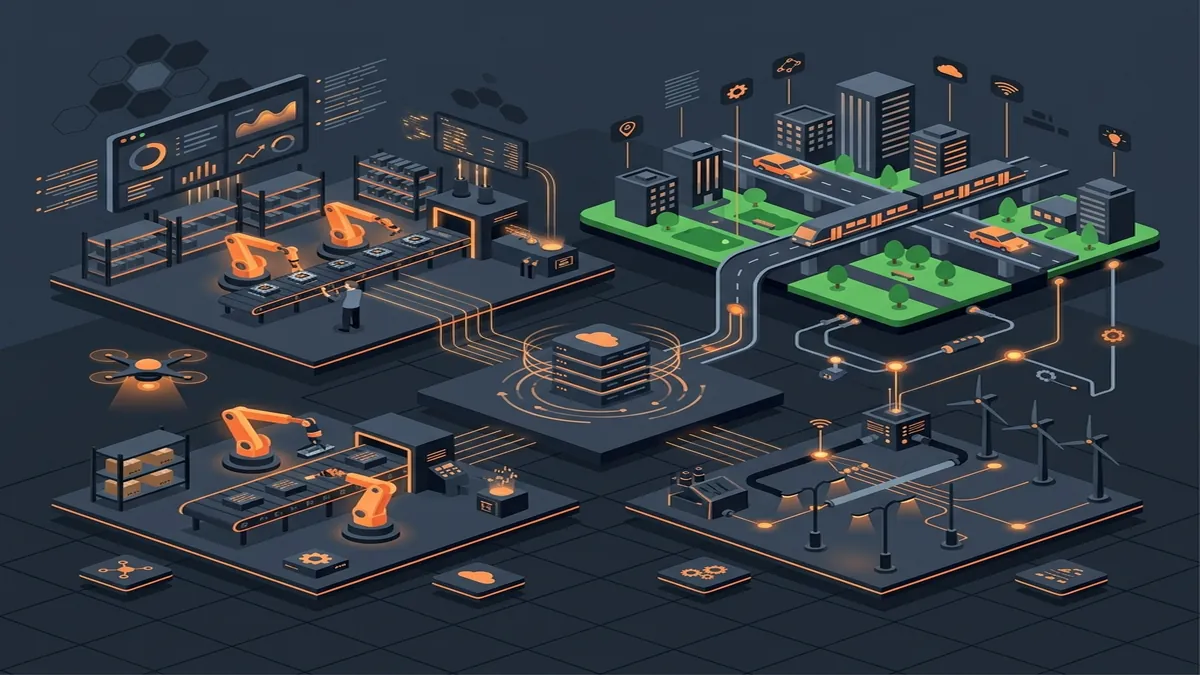

In the vast landscape of the Internet of Things (IoT), data is the fuel, and analytics is the engine. However, the question for architects is not just "how much analytics?" but "where should it happen?" As the number of connected devices grows, the traditional model of sending every byte to the cloud is becoming unsustainable. Today, the choice involves a strategic trade-off between Edge, Fog, and Cloud computing layers.
This guide breaks down each layer and provides a framework for deciding where to process your IoT data to optimize for cost, speed, and reliability.
Key Takeaways
- Edge Computing eliminates network latency and reduces bandwidth costs by analyzing data directly on the device, essential for mission-critical automation.
- Fog Computing provides a local, site-wide intelligence hub (like an on-premise server) that aggregates data from multiple edge nodes without sending everything to the cloud.
- Cloud Computing remains the undisputed champion for storing massive historical datasets and training complex predictive AI models across global fleets.
- The most resilient architectures use a hybrid approach: Edge for immediate reaction, Fog for local aggregation, and Cloud for strategic ML training.
The Three Layers of IoT Analytics
-
Edge Computing: The Immediate Response
Edge computing happens at the "edge" of the network—on the sensors, actuators, smart cameras, or local gateways themselves. Intelligence is pushed as close to the data source as physically possible.
- Ideal For: Real-time, ultra-low latency tasks where every millisecond counts—such as stopping a robotic arm before a collision or detecting an anomaly in a high-speed production line.
- Advantage: Almost zero latency from network round-trips; drastically reduced bandwidth costs (as only anomalies or metadata are transmitted); operates entirely offline if the internet connection drops.
- Limitation: Highly constrained by local compute power, memory, and storage limits. You cannot train large AI models on a micro-controller.
-
Fog Computing: The Local Intelligence Hub
Fog computing sits between the edge and the cloud. It typically resides on local site hubs, industrial PCs, or edge servers within a factory, hospital, or building. It provides a localized "fog" of processing power that is distributed across a local area network (LAN).
- Ideal For: Aggregating data from multiple edge gateways, performing site-level analysis, cross-referencing sensor data, and providing local visualization dashboards without the need for constant, high-bandwidth cloud connectivity.
- Advantage: Balances latency and compute power perfectly; acts as a powerful data filter that reduces the sheer volume of data sent to the cloud by summarizing and compressing locally.
- Limitation: Requires more significant upfront local hardware investment (CapEx) and on-site IT management compared to simply buying "dumb" edge sensors.
-
Cloud Computing: The Global Strategic Engine
The Cloud is the centralized hub where massive volumes of data are stored and analyzed over long periods. This is where big data platforms (like Snowflake or BigQuery) and complex machine learning models live.
- Ideal For: Cross-site benchmarking (comparing Factory A in Tokyo to Factory B in Berlin), long-term historical trend analysis, complex predictive maintenance modeling, and centralized fleet-wide firmware updates.
- Advantage: Virtually unlimited compute and storage; simplified global access from anywhere; lower upfront hardware costs (OpEx model).
- Limitation: High latency (often 100ms+ round trip); ongoing monthly bandwidth and storage costs can skyrocket if not managed; entirely dependent on high-speed internet connectivity.
Decision-Making Framework
| Constraint / Requirement | Edge | Fog | Cloud |
|---|---|---|---|
| Latency Requirement | <1ms to 10ms | 10ms to 100ms | 100ms to 1s+ |
| Data Volume Capability | Low (Source Only) | Moderate (Site Level) | Infinite (Global) |
| Connectivity Sensitivity | Offline-Capable (Best) | Tolerates Interruption | Highly Dependent |
| Privacy / Compliance | Excellent (Data stays local) | Good (On-premise) | Requires strict controls |
Conclusion: The Architecture for "Intelligent Autonomy"
The "best" architecture for 2026 is often a combination of all three layers. By processing critical tasks at the edge, aggregating intelligence in the fog, and driving global strategy in the cloud, manufacturers can create systems that are both autonomously intelligent and globally coordinated. Start by defining your strict latency and privacy requirements, and let those constraints dictate your architecture.
Need an Expert Opinion?
Stop guessing. Speak directly with a senior AdaptNXT engineer about your architecture, timeline, and feasibility.
AdaptNXT helps you design and optimize your IoT processing layers for maximum efficiency. Connect with our IoT architects today.
Frequently Asked Questions (FAQ)
Does processing at the Edge save money?
Yes, significantly. By filtering out "normal" data at the edge and only sending anomalies to the cloud, you drastically reduce your monthly cloud ingress and storage costs, which can offset the higher cost of "smart" edge hardware.
Can I run AI on Edge devices?
Yes. Through techniques like quantization and model distillation, complex AI models (like TinyML) can be compressed to run efficiently on micro-controllers and edge gateways.
What happens if the internet goes down?
If your architecture relies entirely on the cloud, the system will fail. However, a properly designed edge or fog architecture will continue to execute local control loops and buffer data locally until the connection is restored. For more details, contact our team.