
For decades, manufacturing facilities, utility grids, and complex industrial environments operated under a paradigm of strict separation. Information Technology (IT) governed the flow of business data, enterprise resource planning (ERP) systems, human resources, and cloud analytics. Meanwhile, Operational Technology (OT) maintained absolute control over the physical world—managing supervisory control and data acquisition (SCADA) systems, programmable logic controllers (PLCs), robotics, distributed control systems (DCS), and industrial sensors. Today, this historical divide is rapidly dissolving. The relentless drive toward it ot convergence is fundamentally reshaping the landscape of industrial automation, unlocking unprecedented levels of efficiency, complete data visibility, and operational agility. This transformation represents the bedrock of Industry 4.0, the Industrial Internet of Things (IIoT), and the foundation of the modern smart factory.
Deconstructing the Two Worlds: IT vs. OT
To truly understand the magnitude and complexity of IT OT convergence, we must first analyze the fundamental differences between these two historically distinct domains. They speak different technical languages, operate on entirely different timelines, and prioritize wildly different operational outcomes. Recognizing these differences is the first step toward building a successful integration strategy.
Information Technology (IT): The Data-Centric Domain
The IT realm is defined by data processing, massive storage arrays, and seamless enterprise connectivity. It operates on standard, ubiquitous protocols (such as TCP/IP, HTTP/REST, and GraphQL), relies heavily on virtualization, containerization (like Kubernetes), and cloud infrastructure, and is characterized by a rapid lifecycle of continuous updates, agile development, and frequent patching. In IT, the primary currency is information, and the primary concerns are data integrity, cybersecurity (specifically confidentiality), and enterprise-wide accessibility. A system reboot for a patch in an IT environment is routine and expected.
Operational Technology (OT): The Physics-Centric Domain
Conversely, the OT realm is deeply rooted in physical processes, physics, and kinematics. It involves the direct monitoring and control of physical devices, chemical processes, and mechanical events in an enterprise. OT environments rely on specialized, often proprietary and legacy industrial protocols (such as Modbus, Profibus, DNP3, and EtherNet/IP). These environments require deterministic networks designed for real-time, microsecond-level latency, where a delayed packet means a missed physical operation. Furthermore, OT hardware is ruggedized, built to withstand extreme temperatures, intense vibrations, and electromagnetic interference. In OT, the paramount concerns are human safety, equipment protection, and uninterrupted continuous operation (availability). An unexpected reboot or software patch in IT might cause a minor delay in reading an email; in OT, it could halt a multi-million-dollar production line, spoil a batch of pharmaceuticals, or cause a catastrophic physical safety incident.
The Mechanics and Architecture of IT OT Convergence
Bridging these two distinct worlds requires highly sophisticated architecture and a fundamental shift away from legacy network models that prioritize isolation above all else.
The Evolution of the Purdue Model
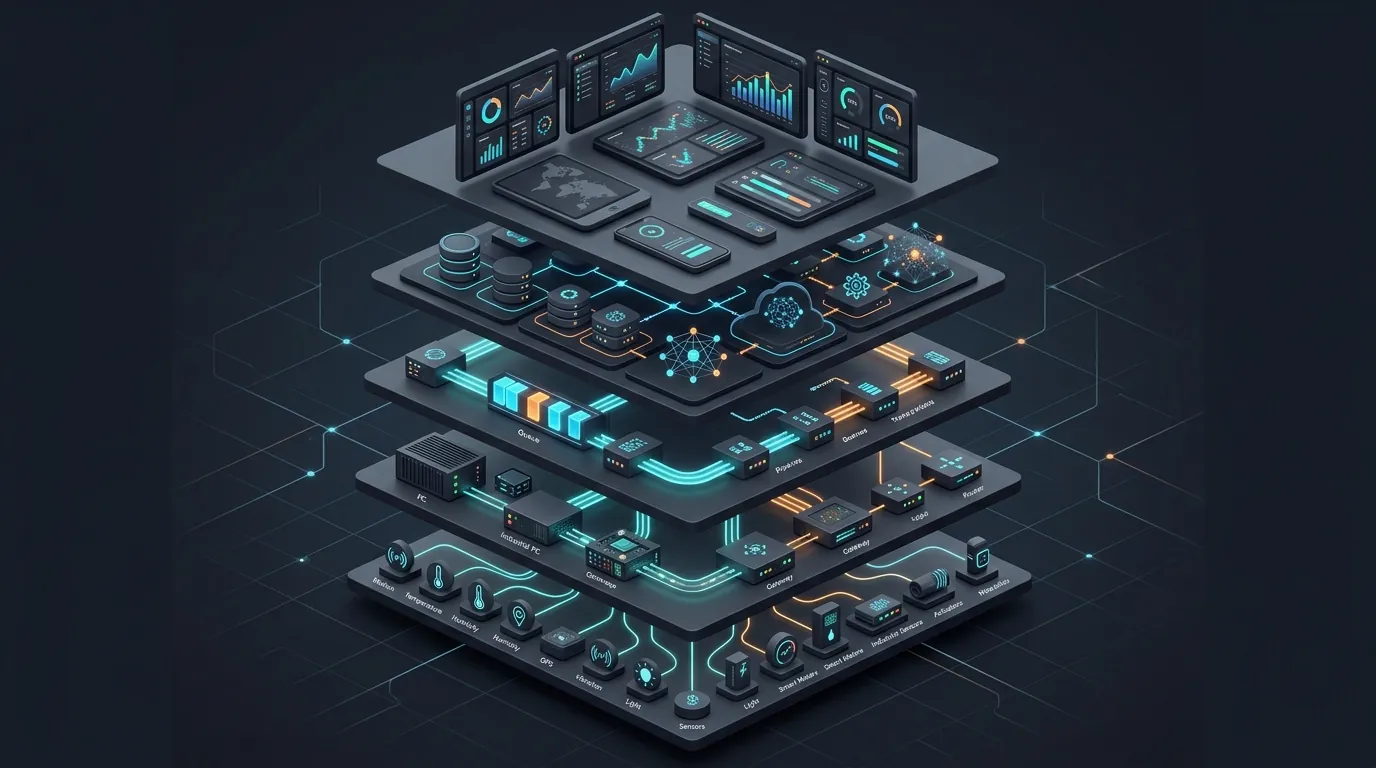
Historically, the Purdue Enterprise Reference Architecture (PERA) dictated a rigid, hierarchical segmentation of industrial networks. It strictly isolated the enterprise business network (Levels 4 and 5) from the manufacturing and control zone (Levels 0 through 3) using strict demilitarized zones (DMZs) and physical air gaps. While this methodology was highly secure against external cyber threats, this air-gapped approach effectively stifled the free flow of data required for advanced analytics, machine learning, and enterprise-wide optimization.
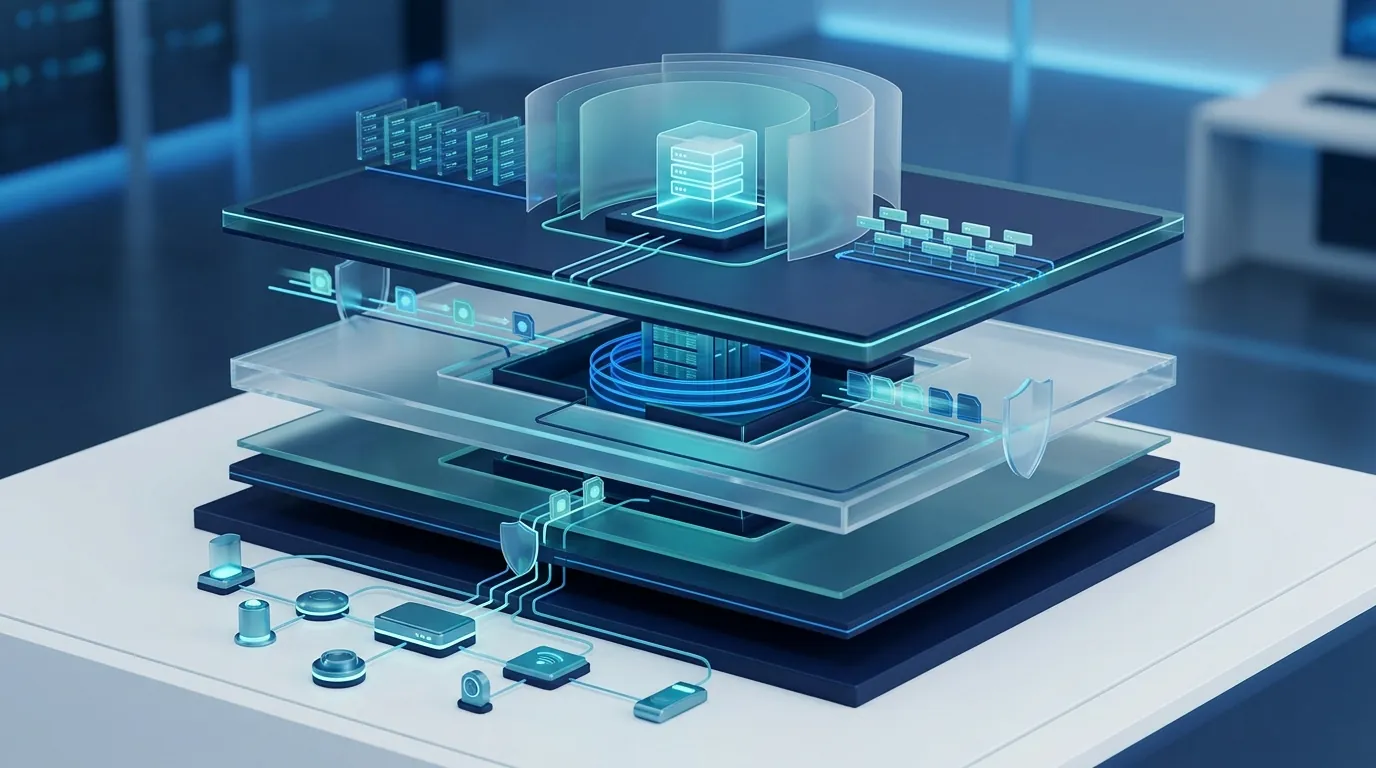
Modern IT OT convergence frameworks do not discard the Purdue Model; rather, they adapt it into a more fluid, interconnected, and zero-trust architecture. Instead of rigid barriers, modern architectures utilize intelligent Edge computing gateways and sophisticated publish-subscribe broker systems. These edge devices sit at the boundary of the OT network, translating legacy industrial protocols into modern IT-friendly formats (like MQTT or OPC UA) and securely pushing that data to centralized enterprise data lakes or cloud platforms. Crucially, they do this while maintaining strict, stateful access controls and data diodes to prevent unauthorized commands from flowing back down into the vulnerable OT environment.
The Essential Role of Industrial Edge Computing
Edge computing is the unsung hero of IT OT convergence. Rather than attempting to send raw, high-frequency, uncontextualized sensor data—often generated at thousands of data points per second—directly to the cloud, which would overwhelm bandwidth capabilities and incur unacceptable latency, edge devices act as localized processing hubs. They process, filter, aggregate, and compress data locally on the factory floor. They provide the necessary translation layer, ensuring that IT systems receive clean, structured data payloads that are ready for immediate analysis. Furthermore, edge computing allows for the execution of localized machine learning models, enabling real-time predictive maintenance and immediate closed-loop control without relying on a round-trip connection to a distant data center.
Deep Dive: Transformative Benefits of Integration
When the silos are systematically dismantled and IT and OT systems are seamlessly integrated, the synergistic benefits cascade throughout the entire organization, driving quantifiable Return on Investment (ROI) and reshaping business models.
Predictive Maintenance and Asset Reliability
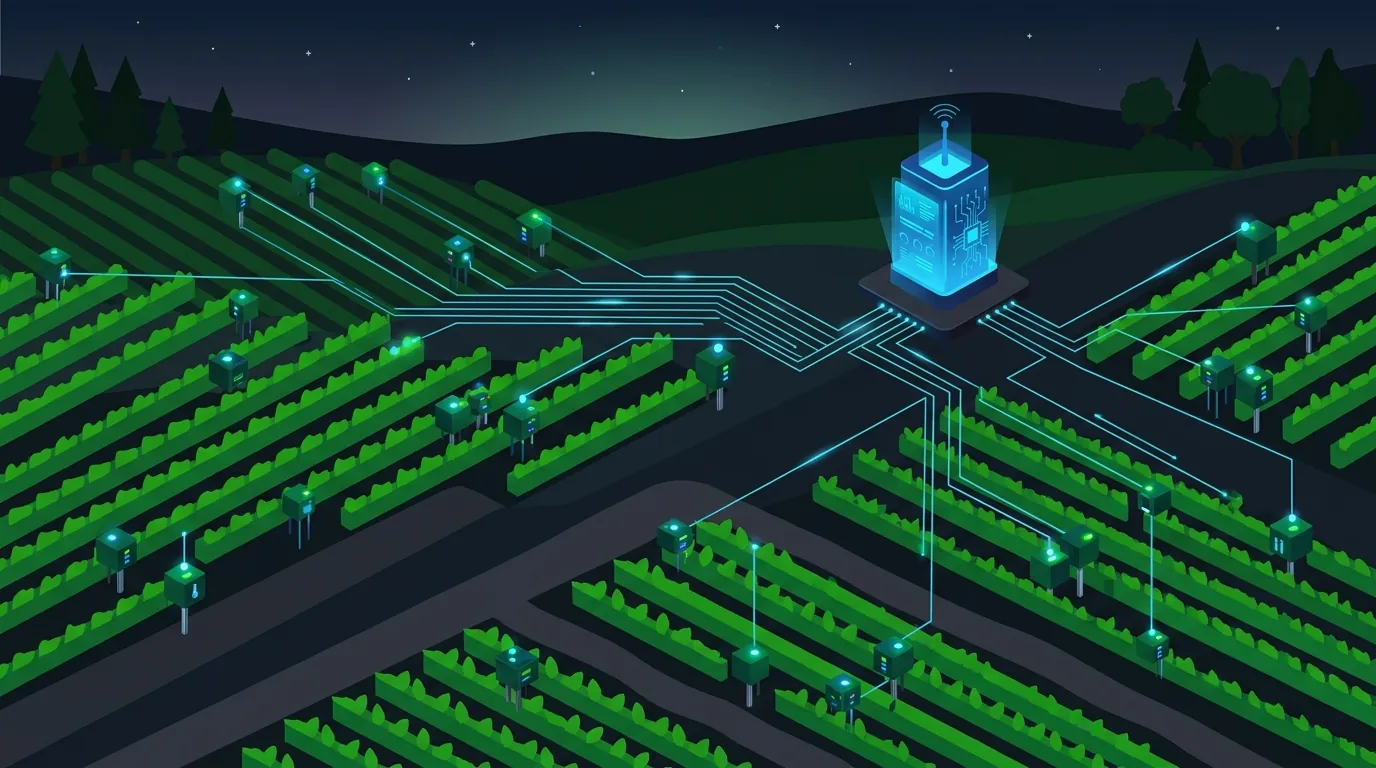
In a traditional, siloed environment, maintenance is either reactive (fixing things only when they unexpectedly break) or preventative (replacing parts on a rigid, fixed schedule, regardless of their actual wear and tear). Convergence enables the holy grail of asset management: predictive maintenance. By continuously streaming real-time vibration, temperature, acoustic, and power consumption data from OT sensors into IT-hosted, cloud-based machine learning algorithms, organizations can detect microscopic anomalies that indicate impending mechanical failure weeks or even months in advance. This allows maintenance teams to schedule repairs during planned, non-disruptive downtime windows, drastically reducing catastrophic failures, minimizing lost production time, and extending the overall lifespan of expensive capital assets.
Advanced Real-Time Analytics and Digital Twins
Convergence provides the high-fidelity data foundation necessary to build comprehensive Digital Twins—highly accurate, dynamic virtual replicas of physical assets, processes, or entire manufacturing facilities. By feeding continuous, real-time OT data streams into these complex IT models, engineers and plant managers can simulate production changes, optimize complex workflows, test new software configurations, and even predict the outcome of supply chain disruptions in a risk-free virtual environment before ever deploying a single change to the physical factory floor.
Dynamic Supply Chain Optimization
Direct, automated integration between the production line equipment (OT) and enterprise resource planning and logistics systems (IT) creates a highly responsive, intelligent supply chain. For example, if a critical machine slows down on the factory floor due to an identified issue, the IT system can automatically adjust inventory reorder points for the materials that machine consumes, automatically notify upstream suppliers of the delay, and dynamically recalculate final product delivery estimates for end customers. This continuous, closed-loop communication eliminates the costly "bullwhip effect," minimizes unnecessary carrying costs, and vastly improves customer satisfaction.
Navigating the Challenges: Security, Culture, and Standards
Despite the overwhelming, undeniable benefits, the journey toward IT OT convergence is fraught with complex, multifaceted challenges that must be systematically and carefully addressed by enterprise leadership.
The Cybersecurity Imperative in a Converged World
Perhaps the most significant and widely cited barrier to convergence is cybersecurity. For decades, OT security relied almost entirely on the "air gap"—the physical and logical isolation from the internet and corporate IT networks. True convergence inherently and permanently pierces this air gap. Furthermore, many legacy OT devices run on outdated operating systems (like Windows XP or older proprietary systems) that simply cannot be patched, and they often lack basic modern security features like data encryption, role-based access control, or robust authentication mechanisms.
To securely operate a converged environment, organizations must adopt a rigorous Zero Trust architecture. This involves implementing micro-segmentation to restrict lateral movement within the OT network, utilizing deep packet inspection (DPI) firewalls designed specifically to understand industrial protocols, and continuously monitoring network traffic for anomalous behavior using AI-driven threat detection systems. Security cannot be an afterthought bolted on at the end of a project; it must be deeply integrated into the convergence strategy and system architecture from day one.
Bridging the Deep Cultural Divide
Beyond the technical hurdles, the most formidable obstacle is often cultural. IT and OT teams have historically operated in isolated silos with fundamentally different philosophies, reporting structures, and KPIs. IT is accustomed to the "move fast and break things" ethos of agile development, prioritizing rapid patching, technological innovation, and data confidentiality. OT, bearing the responsibility for physical safety and production output, operates under a strict "if it isn't broken, do not touch it" mentality, prioritizing human safety, environmental protection, and 100% system uptime.
Successful convergence requires unified, cross-functional governance. Organizations must establish steering committees that bring IT and OT engineering leaders together as equals. Establishing a shared vocabulary, creating mutually agreed-upon key performance indicators (KPIs) that balance innovation with stability, and investing in comprehensive cross-training programs are absolutely essential steps to foster collaboration and break down these deeply ingrained departmental silos.
Best Practices for a Successful Convergence Journey
Organizations looking to embark on this complex transformation should follow a structured, phased framework to ensure long-term success and mitigate operational risk:
- Establish Unwavering Executive Sponsorship: Convergence initiatives touch every aspect of the business, from the boardroom to the shop floor. Strong, visible, top-down leadership is required to mandate collaboration, resolve inter-departmental conflicts, and secure the necessary long-term budget and technical resources.
- Conduct a Comprehensive Asset and Network Inventory: You cannot integrate, manage, or secure what you do not know you have. The first critical technical step is to utilize automated, passive discovery tools to map every connected device, controller, sensor, and network pathway on the OT network, meticulously documenting their firmware versions, active protocols, and known vulnerabilities.
- Start Small with Proof-of-Value (PoV) Pilots: Rather than attempting a massive, high-risk "rip and replace" overhaul of an entire facility, begin with a tightly scoped, carefully selected pilot project focused on a specific, high-value business use case—such as implementing predictive maintenance on a single critical bottleneck machine. Demonstrate tangible ROI quickly to build organizational momentum and secure further buy-in.
- Standardize Protocols and Establish a Unified Data Namespace: The industrial landscape is a fragmented ecosystem of proprietary protocols. Organizations must mandate the implementation of standardized, open communication protocols like OPC UA (Open Platform Communications Unified Architecture) or MQTT (Message Queuing Telemetry Transport) to ensure seamless interoperability between disparate vendor equipment. Furthermore, establishing a Unified Namespace (UNS) is critical to give contextual meaning to raw sensor tags, ensuring that when an IT application queries a data point, it understands the physical context of that data.
Real-World Examples of Convergence in Action
The transformative impact of IT OT convergence is no longer theoretical; it can be seen actively driving value across various major industrial sectors:
- Automotive Manufacturing: Leading global automakers utilize deeply converged networks to track every single component moving through the assembly line. Torque values from robotic arms (OT) are instantly transmitted and correlated with the specific vehicle's unique identification number in the enterprise IT database, ensuring rigorous quality control, providing full traceability for potential recalls, and enabling highly customized vehicle builds on a mass scale.
- Energy and Utilities: Modern power grids increasingly leverage convergence to manage the unpredictable, distributed nature of renewable energy sources like wind and solar. Real-time grid voltage, transformer temperature, and frequency data (OT) is continuously analyzed by sophisticated cloud-based predictive models (IT) to dynamically adjust power distribution, instantly balance loads across the grid, and prevent cascading blackouts.
- Pharmaceuticals and Food & Beverage: In highly regulated, precision-driven environments, convergence ensures absolute compliance and product safety. Temperature, pressure, and humidity sensors (OT) on pasteurization or bioreactor equipment stream immutable data directly into automated, cloud-hosted compliance reporting systems (IT), providing a tamper-proof audit trail for regulatory agencies like the FDA, drastically reducing the cost and complexity of compliance.
The Vital Role of the Modern Industrial IoT Platform
Managing the sheer scale, extreme complexity, and rigorous security requirements of a fully converged enterprise is a monumental architectural task. Attempting to build custom, point-to-point integrations between dozens of legacy OT systems and modern IT applications is fragile, prohibitively expensive, and impossible to scale effectively. To navigate these complexities successfully, forward-thinking enterprises leverage an advanced industrial IoT platform.
These dedicated, purpose-built platforms serve as the central nervous system of the converged industrial enterprise. They provide extensive out-of-the-box connectivity to thousands of different legacy industrial protocols and PLCs, robust edge management capabilities to deploy and update computing workloads directly to the factory floor, and centralized, intelligent data brokering to securely route normalized information to the appropriate enterprise IT analytics applications. Most importantly, these platforms are architected from the ground up with industrial-grade cybersecurity—incorporating robust encryption, granular access controls, and secure device onboarding—providing the necessary abstraction layer to protect fragile legacy equipment while still efficiently extracting and utilizing its immensely valuable operational data.
Conclusion: The Unified Future of Operations
The convergence of Information Technology and Operational Technology is no longer an optional upgrade or an experimental IT project; it is a fundamental, strategic prerequisite for long-term survival and success in the modern industrial landscape. As we look to the near future, the artificial, historical distinction between IT and OT will continue to blur until they function seamlessly as a single, unified, highly intelligent nervous system for the entire enterprise. Organizations that proactively and strategically embrace IT OT convergence will secure a massive, sustainable competitive advantage. By systematically transforming isolated, "dumb" machines into interconnected, intelligent, data-generating assets, they will operate with greater agility, unprecedented data-driven intelligence, and robust operational resilience in an increasingly dynamic, complex, and highly competitive global market. The future of industrial automation is undeniably and irrevocably converged.