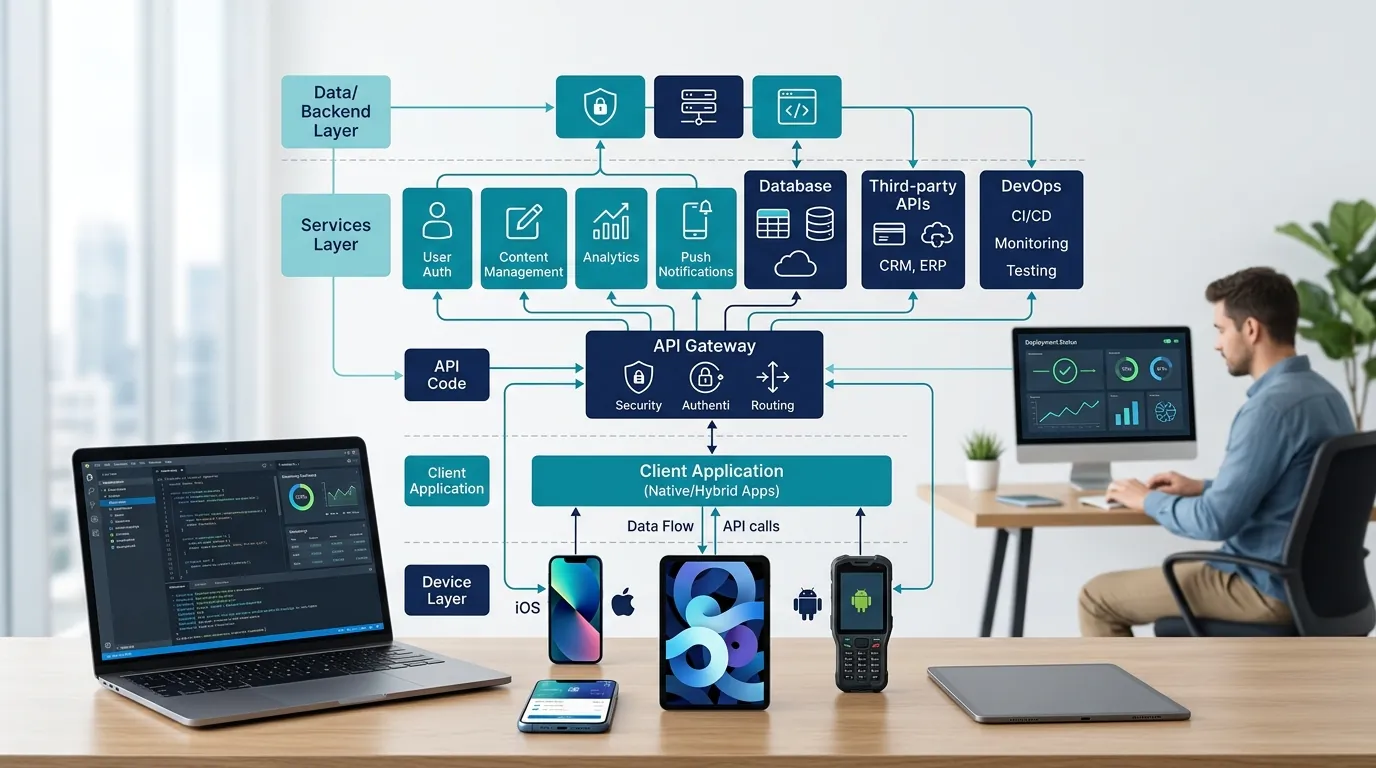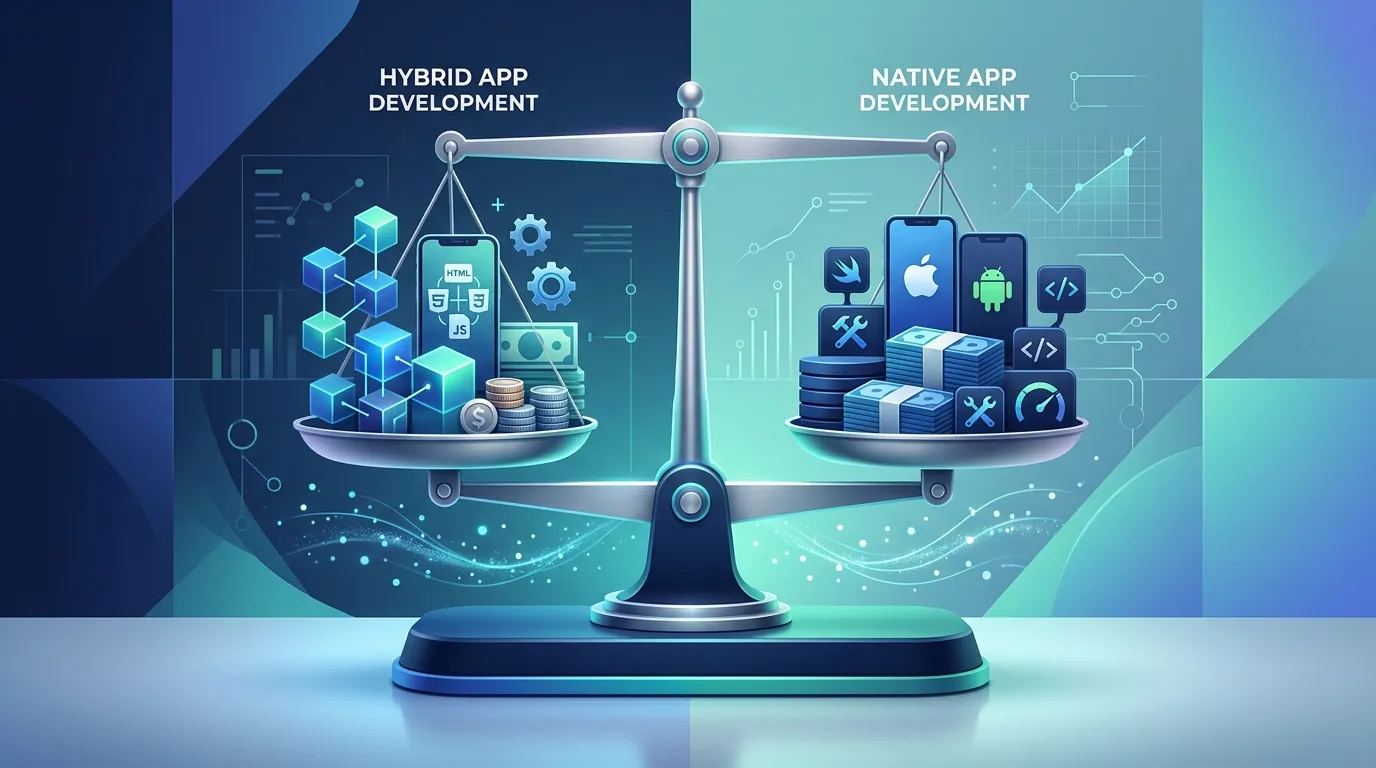

The financial technology sector is experiencing unprecedented growth, driven by consumer demand for frictionless, secure, and instantaneous financial services. In 2026, fintech app development requires a rigorous blend of high-performance engineering, stringent security protocols, and flawless user experience. For product teams embarking on building the next generation of fintech solutions, understanding the underlying technical architecture and regulatory landscape is absolutely paramount. This technical guide delves into the core components required to engineer a world-class fintech application.
The Regulatory Landscape: RBI and PCI-DSS Compliance
Before writing a single line of code, product teams must understand that fintech is fundamentally a regulatory business. Compliance cannot be an afterthought; it must be baked into the system architecture from day one. In jurisdictions like India, adhering to Reserve Bank of India (RBI) guidelines is mandatory for data localization, transaction reporting, and user authentication. Globally, any application handling credit card data must comply with the Payment Card Industry Data Security Standard (PCI-DSS).
Architecting for Compliance
To achieve compliance, teams must implement rigorous data masking, end-to-end encryption (using AES-256 for data at rest and TLS 1.3 for data in transit), and immutable audit logs. Tokenization is a critical strategy here; sensitive Primary Account Numbers (PAN) are replaced with non-sensitive surrogate values (tokens). This ensures that even in the event of a database breach, the exposed data is useless to attackers. Furthermore, deploying Infrastructure as Code (IaC) ensures that server configurations remain consistent and auditable.
Building a Robust Security Architecture
Security in fintech app development extends far beyond basic encryption. Modern architectures employ a Zero Trust model, where no entity—internal or external—is implicitly trusted. Every access request must be authenticated, authorized, and continuously validated.
- Multi-Factor Authentication (MFA): Beyond SMS OTPs (which are increasingly vulnerable to SIM swapping), fintech apps must integrate biometric authentication (FaceID, fingerprint) and hardware tokens.
- Runtime Application Self-Protection (RASP): Implementing RASP allows the application to detect and mitigate attacks in real-time by analyzing application behavior and context, preventing SQL injection, cross-site scripting (XSS), and zero-day exploits.
- API Security: Since fintech apps rely heavily on third-party integrations, securing API gateways with strict rate limiting, OAuth 2.0/OpenID Connect, and mutual TLS (mTLS) is critical to prevent data exfiltration.
Choosing the Right Tech Stack
The technology stack forms the backbone of the application, dictating its scalability, performance, and maintainability. For cross-platform mobile development, Flutter has become the de facto standard. Its declarative UI paradigm, compiled native performance, and rich widget ecosystem allow teams to deliver a unified, high-fidelity experience across iOS and Android from a single codebase.
Backend and Database Architecture
For the backend, asynchronous environments like Node.js or robust frameworks in Python (such as FastAPI) are highly recommended for handling thousands of concurrent transaction requests with minimal latency. Microservices architecture, orchestrated via Kubernetes, allows individual components (e.g., the ledger service, the notification service, the user service) to scale independently based on load.
When it comes to the database, transactional integrity is non-negotiable. PostgreSQL is the premier choice for fintech relational data. Its strict adherence to ACID (Atomicity, Consistency, Isolation, Durability) properties ensures that financial ledgers remain accurate even during catastrophic system failures. For high-throughput, unstructured data like session logs, NoSQL databases like MongoDB or Redis are used in tandem.
Payment Gateway Integration and KYC/AML Automation
Seamlessly moving money is the core function of a fintech app. Integrating payment gateways requires robust webhook handling to process asynchronous payment status updates. The system must account for edge cases, such as network timeouts during a transaction, by implementing idempotent APIs that safely retry transactions without duplicating charges.
"Idempotency in fintech APIs is not a feature; it is a fundamental requirement to prevent catastrophic financial discrepancies during distributed network failures."
Furthermore, Know Your Customer (KYC) and Anti-Money Laundering (AML) processes must be highly automated to reduce onboarding friction. Integrating third-party AI-driven optical character recognition (OCR) and facial liveness detection services allows the application to verify government IDs and match them to the user in real-time. This is essential for modern product engineering services aiming to minimize user drop-off.
Conversational Commerce: WhatsApp Payment Integration
The boundaries of fintech are expanding into conversational interfaces. In 2026, integrating financial services directly into platforms where users already spend their time is a major competitive advantage. Leveraging the WhatsApp Business API for payment integration allows users to initiate transfers, pay bills, or purchase insurance directly within a chat thread. For more insights on this, explore our solutions for WhatsApp shopping bots.
Conclusion
Fintech app development is a complex, high-stakes endeavor that requires deep technical expertise and an uncompromising commitment to security and compliance. By leveraging modern tech stacks like Flutter and PostgreSQL, automating KYC, and embracing innovative channels like WhatsApp payments, product teams can build robust financial solutions that scale globally and redefine the user experience.