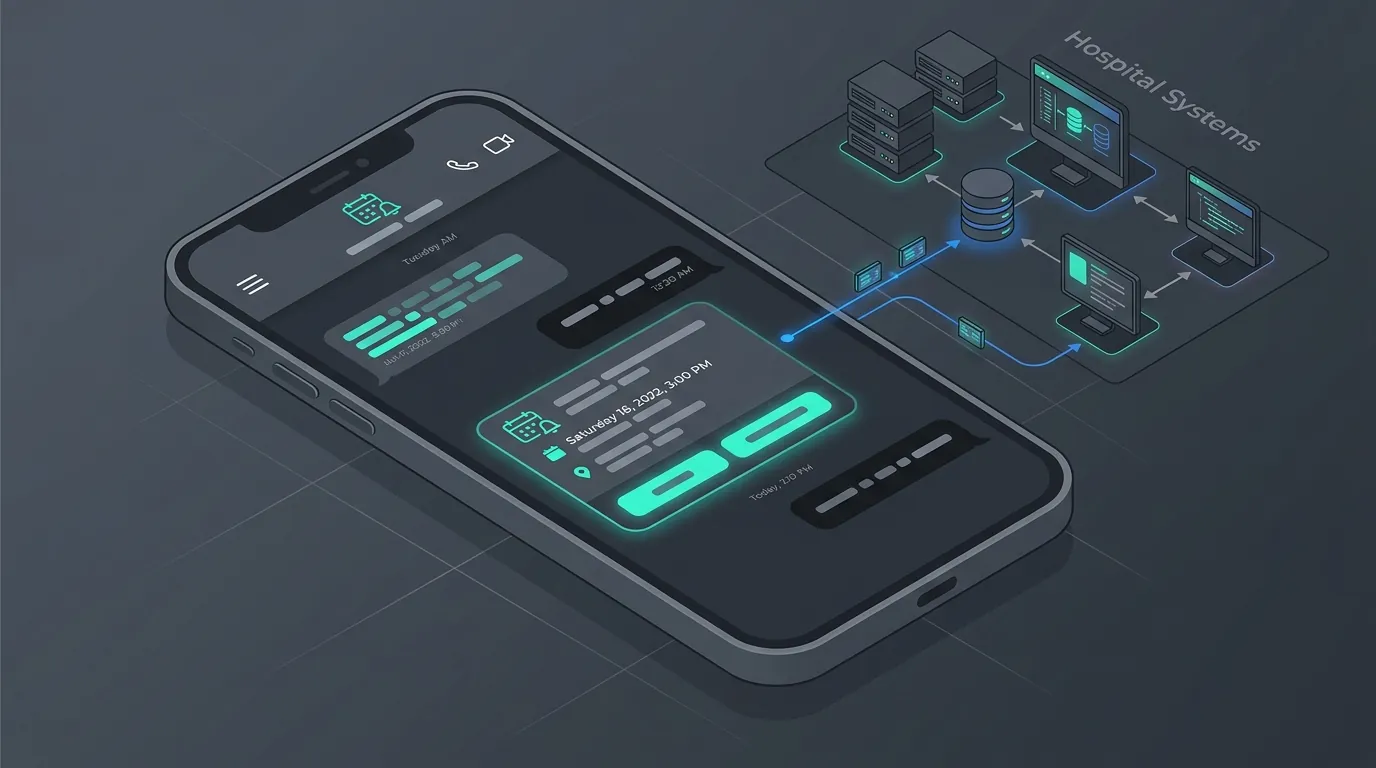

Manufacturing operations generate a constant stream of time-sensitive information — machine alerts, production targets, quality failures, supplier updates, maintenance requests. Traditionally, this information flows through a patchwork of systems: an ERP here, a WhatsApp group there, email threads, phone calls, and paper checklists taped to machines. The result is delays, miscommunication, and decisions made on stale data.
Key Takeaways
- Frictionless Adoption: WhatsApp bots utilize a platform the workforce already uses daily, driving near 100% adoption without the training overhead of new enterprise apps.
- Real-Time Responsiveness: Integrate IoT sensors and SCADA systems with WhatsApp to deliver instant machine downtime alerts directly to maintenance teams.
- Structured Data Collection: Replace paper checklists with structured WhatsApp menus that pipe shift handovers and QA reports directly into your ERP.
- Supply Chain Agility: Automate supplier coordination—like purchase order confirmations and logistics tracking—using proactive WhatsApp template messages.
WhatsApp bots — automated chatbot interfaces running on WhatsApp's official Business API — offer a remarkably practical solution to digitize the factory floor. They meet workers where they already are (WhatsApp is the world's most-used messaging app, with a massive active industrial workforce base) and automate information flow without requiring anyone to learn a new system.
Why WhatsApp Works Particularly Well in Manufacturing
Unlike enterprise software that requires training, login credentials, and often a desktop computer, WhatsApp is already on every operator's, supervisor's, and supplier's phone. Message open rates on WhatsApp routinely exceed 90% compared to a dismal 20% for email. For time-sensitive manufacturing information, this difference matters enormously.
Need an Expert Opinion?
Stop guessing. Speak directly with a senior AdaptNXT engineer about your architecture, timeline, and feasibility.
WhatsApp's rich messaging capabilities — text, images, documents, voice notes, and location — make it ideal for the varied communication needs of a factory floor. A quality inspector can photograph a defect and submit it via WhatsApp with appropriate context. A machine operator can report a breakdown and receive a maintenance ticket number in response. A shift supervisor can get automated production summaries delivered to their phone at shift start.
Key Use Cases for WhatsApp Bots in Manufacturing
-
Machine Alerts and Downtime Management
Integrate your SCADA or sensor systems with a WhatsApp bot to push real-time alerts when machines deviate from normal operating parameters. With a machine monitoring system, when a CNC machine's vibration sensor exceeds threshold, the bot automatically notifies the maintenance team, logs the incident in the maintenance system, and follows up after a configurable time if the alert hasn't been acknowledged. Response times to machine failures drop dramatically compared to manual monitoring.
-
Production Reporting and Shift Handovers
Schedule automated production summaries to be sent to supervisors and managers at shift end — units produced, quality metrics, downtime events, material consumption. Shift handover conversations happen in a structured WhatsApp thread, with the bot capturing key information through Quick Reply buttons and pushing it into the production management system. Institutional knowledge stays securely in the system rather than disappearing when a shift ends.
-
Quality Control Workflows
Quality control inspectors can report defects by sending images to the WhatsApp bot, which parses the information, creates a non-conformance record in the QMS, notifies the relevant production team, and triggers the appropriate corrective action workflow. The bot can also prompt inspectors at scheduled intervals, ensuring quality checks aren't skipped during high-pressure production runs.
-
Supplier Coordination
Supply chain communication is notoriously friction-heavy. A WhatsApp bot can automate routine supplier interactions: sending purchase order notifications, requesting delivery confirmations, collecting advance shipping notices, and flagging delayed deliveries. Suppliers respond on WhatsApp; the bot translates their responses into structured data in your ERP. No emails falling through cracks, no phone-tag loops.
-
Maintenance Request and Scheduling
Operators can raise maintenance requests by messaging the bot — describing the issue, optionally attaching a photo or voice note — and receive an immediate ticket number. The bot routes requests to the appropriate maintenance engineer, tracks response and resolution times, and sends reminders if tickets go unacknowledged. Preventive maintenance schedules can be distributed and acknowledged natively via WhatsApp.
"The most powerful automation tools are the ones people actually use. WhatsApp bots work in manufacturing because they require zero behavior change — workers are already on WhatsApp."
Integration with Existing Manufacturing Systems
A WhatsApp bot's value multiplies when it's deeply integrated with your existing systems. Effective integration points include:
| System Type | Primary Examples | WhatsApp Bot Integration Value |
|---|---|---|
| ERP Systems | SAP, Oracle, Dynamics 365 | Query inventory levels, automate PO confirmations, update production status. |
| SCADA / MES | Siemens, Ignition | Real-time machine telemetry alerts, OEE reporting to mobile phones. |
| QMS Platforms | MasterControl, ETQ | Photo-based defect logging, CAPA workflow approvals via chat. |
| CMMS Platforms | Fiix, UpKeep, Maximo | Create work orders via chat, assign technicians, track MTTR. |
Implementation Considerations
To deploy a WhatsApp bot through the official WhatsApp Business API, you'll need a verified business account through a Meta Business Solution Provider. Bots must follow WhatsApp's messaging policies — user-initiated conversations can happen freely, while business-initiated messages use structured templates that need approval. Message template approval is straightforward for standard use cases and typically takes 24–48 hours.
Building effective WhatsApp automation for manufacturing requires understanding both the messaging platform and the heavy legacy manufacturing systems it needs to connect to. AdaptNXT has deep experience architecting these specific bridges. Contact our team to discuss your manufacturing communication and automation challenges.
Frequently Asked Questions (FAQ)
Is WhatsApp secure enough for confidential manufacturing data?
Yes. The WhatsApp Business API utilizes end-to-end encryption between the user's device and your API endpoint server. As long as your backend architecture and data handling protocols are secure, the transit of data over WhatsApp meets standard enterprise security compliance.
Do factory workers need to use their personal phone numbers?
No. While they will use the WhatsApp app, companies often issue corporate devices with provisioned SIM cards for factory floor staff. Alternatively, staff can use WhatsApp on their personal devices to message the central company Bot number without sharing their personal number with other employees.
Can WhatsApp bots handle images and attachments?
Absolutely. WhatsApp API supports robust media handling, including high-resolution images, videos, audio notes, and PDF documents. This makes it perfect for maintenance requests where a worker can snap a picture of a broken part and submit it directly to the CMMS system.